
Chronic pain affects over 50 million adults daily, yet traditional oral medications often bring unwanted side effects. Topical creams offer targeted relief by delivering active ingredients directly through the skin. This guide examines three main categories-counterirritants, NSAID formulations, and capsaicin-based products-along with evidence-based application techniques and safety considerations. You’ll discover how to select the appropriate option for your specific condition while avoiding common pitfalls that reduce effectiveness.
Introduction to Topical Pain Relief
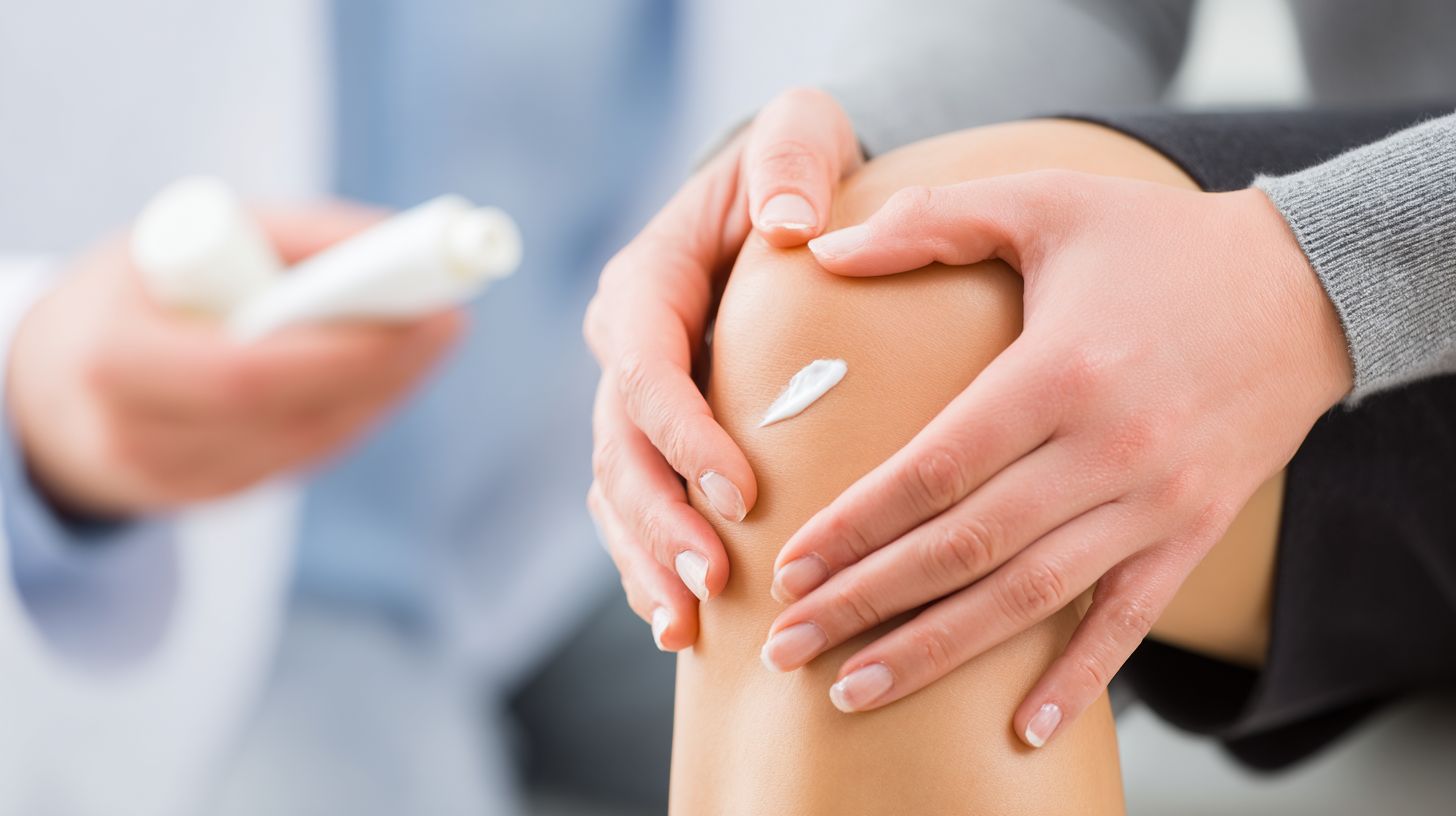
Topical pain relief products generated $2.8 billion in 2023 sales according to IQVIA data, with diclofenac gel (Voltaren) holding 34% market share. The market has expanded significantly since 2019 as more people seek alternatives to oral medications. Consumers are choosing these products for their convenience and reduced systemic effects.
Transdermal absorption rates for topical creams range from 5% to 10% bioavailability compared to 100% for oral medications. This lower absorption rate means less medication enters the bloodstream overall. The reduced systemic exposure leads to fewer side effects throughout the body.
The FDA has approved several over-the-counter topical pain relief products including Voltaren Arthritis Pain, Aspercreme, and Salonpas patches. These products contain active ingredients such as diclofenac, lidocaine, and methyl salicylate. Each formulation targets different types of pain through various mechanisms of action.
Topical NSAIDs reduce gastrointestinal risks compared to oral NSAIDs because less medication reaches the digestive system. This makes them safer options for people with stomach sensitivities or those taking blood thinners. The localized treatment approach allows users to apply medication directly to affected areas.
Types of Topical Creams
Topical analgesics fall into three distinct pharmacological categories with different mechanisms and usage patterns.
Each category targets pain through unique pathways. Counterirritants create sensory distraction while NSAID creams reduce inflammation at the source. Capsaicin products work by depleting pain signaling chemicals over time.
Selecting the right type depends on pain location and cause. Acute muscle soreness responds differently than chronic joint conditions. Skin absorption rates vary between cream bases and active ingredients.
Users should consider application frequency and expected onset time when choosing between categories. Some products combine multiple mechanisms for enhanced relief. Local treatment minimizes systemic effects compared to oral medications.
Counterirritants
Menthol 1.25-16% and methyl salicylate 10-30% products create sensory distraction via TRPM8 and TRPA1 receptor activation.
These ingredients produce cooling or warming sensations that interrupt pain signals. Blood flow increases to the application area while nerve endings become temporarily less sensitive. The effect provides immediate but temporary relief.
| Product | Price per Ounce | Onset Time | Duration |
|---|---|---|---|
| Icy Hot (menthol 7.6%/methyl salicylate 29%) | $2.50 | 5-15 minutes | 2-6 hours |
| Biofreeze (menthol 10.5%) | $3.00 | 5-15 minutes | 2-6 hours |
| Salonpas (methyl salicylate 10%/camphor 3.1%) | $2.75 | 5-15 minutes | 2-6 hours |
| Bengay (methyl salicylate 30%) | $2.25 | 5-15 minutes | 2-6 hours |
Research suggests these products work best for acute muscle soreness and minor strains. Athletes often apply them before workouts to reduce post-exercise discomfort. The cooling sensation helps mask deeper tissue pain during activity.
NSAID Creams
Diclofenac sodium 1% gel demonstrates 94% pain reduction in osteoarthritis studies with 6% systemic absorption.
These creams inhibit COX enzymes directly at the pain site. Inflammation reduction occurs without affecting stomach or kidney function. The localized approach makes them suitable for patients who cannot tolerate oral NSAIDs.
Voltaren Arthritis Pain gel costs $15.99 for 3.5 ounces while generic diclofenac gel runs $11.49 for the same amount. Both contain identical active ingredients at the same concentration. Cost differences reflect brand name versus generic formulations.
Clinical trials show 50% pain reduction versus 23% with placebo in knee osteoarthritis over three weeks. Application limits reach 32 grams daily across affected areas. Peak plasma levels occur 10-14 hours after application with minimal systemic distribution.
Capsaicin-Based Creams
Capsaicin 0.025-0.1% creams deplete substance P from C-fiber neurons over 1-2 weeks of consistent use.
Low-dose concentrations at 0.025% work for arthritis pain while 0.075% targets neuropathic conditions. Prescription 8% patches treat postherpetic neuralgia under medical supervision. Each concentration requires different application protocols.
Initial burning sensations typically last through the first 3-5 applications as nerves adjust. NIH-funded research shows 30% pain reduction in diabetic neuropathy after eight weeks of regular use. Combination therapy with lidocaine can reduce discomfort during the adjustment period.
These products suit chronic nerve pain conditions including fibromyalgia and shingles pain. Regular application builds tolerance while maintaining pain relief. Users should avoid eye contact and wash hands thoroughly after each application.
How Topical Creams Work
Topical analgesic penetration follows Fick’s law with stratum corneum acting as primary barrier for 1-5mm depth delivery. The medication moves from high concentration at the skin surface to lower concentration in deeper tissues. This process creates a controlled release that targets pain directly at the source.
Concentration gradients drive how effectively these medications reach nerves and inflamed tissues. Higher surface concentrations push more active ingredients through the skin layers. Blood flow in the area can either help or slow absorption depending on circulation patterns.
COX-2 inhibition reduces the enzymes that trigger inflammation and pain signals. This mechanism works like oral NSAIDs but stays localized to the application site. Sodium channel blockade prevents nerve cells from sending pain messages to the brain.
TRPV1 desensitization occurs when capsaicin creams repeatedly stimulate heat receptors. This process eventually reduces the nerve’s ability to transmit pain signals. The initial warming sensation gives way to numbing effects over time.
Penetration enhancers improve how well active ingredients cross the skin barrier. DMSO and menthol help medications reach deeper tissues more effectively. Research suggests these compounds can increase bioavailability by two to three times compared to base formulations.
Common enhancers include compounds that temporarily alter skin structure. They create pathways for larger molecules to pass through the outer layer. This allows medications like diclofenac and lidocaine to work at therapeutic levels in underlying tissues.
Choosing the Right Cream
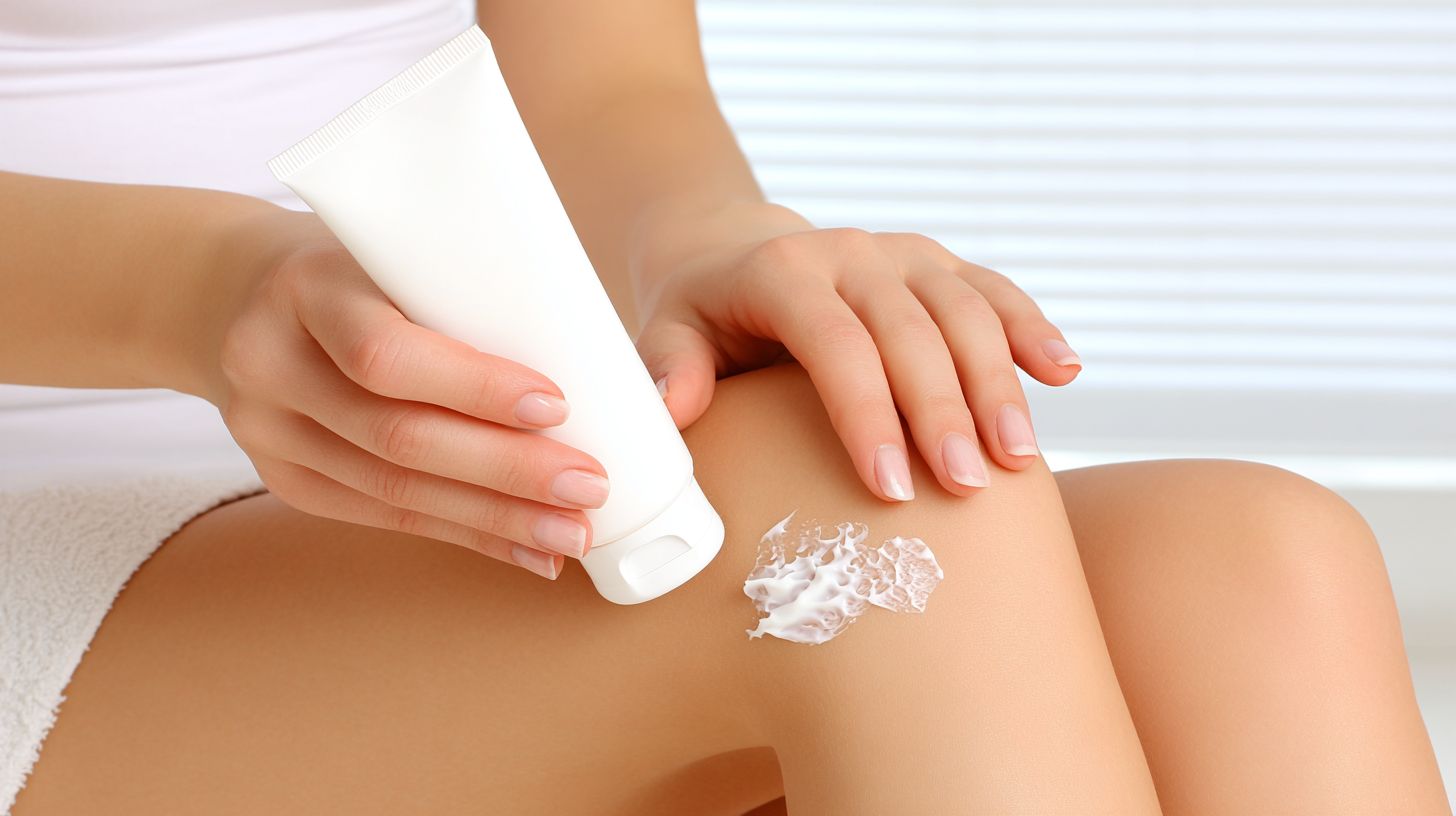
The first step involves matching cream selection to pain mechanism using validated pain assessment scales (0-10 NRS) and location depth indicators. Understanding whether discomfort stems from surface tissue or deeper structures helps narrow options effectively. Proper identification prevents wasted effort and reduces chance of inadequate relief.
Joint pain typically responds best to NSAID creams. These products work by blocking COX enzymes at the application site. Diclofenac gel remains a common choice for arthritis symptoms in knees, shoulders, and hands. Apply a thin layer directly over the affected area three to four times daily for consistent results.
Experts recommend counterirritants for muscle strain and soreness. Menthol and methyl salicylate create cooling or warming sensations that distract from discomfort. These options work well for post-workout recovery, sports injuries, and general back or neck pain. Users often notice effects within minutes of application.
Neuropathic symptoms require different approaches. Capsaicin cream targets TRPV1 receptors to reduce nerve pain signals. Lidocaine products provide numbing effects for conditions like diabetic neuropathy or post-shingles discomfort. Both require consistent use over several days to achieve meaningful improvement.
Post-surgical pain often needs prescription-strength NSAID creams. These stronger formulations provide localized treatment while minimizing systemic drug exposure. Healthcare providers may recommend specific products based on surgery type and individual medical history. Always follow prescribed dosage and frequency instructions.
Application Guidelines
Application protocols vary by active ingredient with specific gram amounts and timing for optimal therapeutic levels. Each product type requires different preparation steps and skin contact duration. Proper technique ensures maximum medication absorption while minimizing waste.
Start by cleaning the target area with mild soap and patting dry before any application. Remove jewelry or clothing that might interfere with the treatment zone. Room temperature products spread more evenly than cold formulations that resist distribution.
Apply using gentle circular motions until the product disappears completely into the skin. Wash hands thoroughly unless treating finger joints directly. Consistent daily timing helps maintain steady medication levels throughout treatment periods.
Store products away from direct sunlight and extreme temperatures to maintain effectiveness. Check expiration dates regularly and replace items showing separation or unusual odors. Proper storage extends shelf life and preserves active ingredient potency.
Proper Dosage
Diclofenac gel dosing uses 2-4g per joint measured via fingertip unit method. This measurement provides consistent amounts across different users and joint sizes. Cherry-sized amounts work well for smaller areas while larger joints require additional product.
Capsaicin at 0.025% strength needs only a thin layer applied two to three times daily. Menthol products typically require three to four applications spread throughout the day. Maximum daily limits prevent skin irritation while maintaining therapeutic benefits.
One fingertip unit equals approximately 0.5 grams of cream for accurate measurement. Single-use patches like Salonpas measure 3 by 2 inches for standard application areas. FTU conversion charts help users measure correctly without specialized equipment.
Never exceed recommended amounts even when pain feels severe. Excess product does not provide additional relief and may cause skin reactions. Accurate dosing protects skin while ensuring therapeutic concentration reaches target tissues.
Frequency of Use
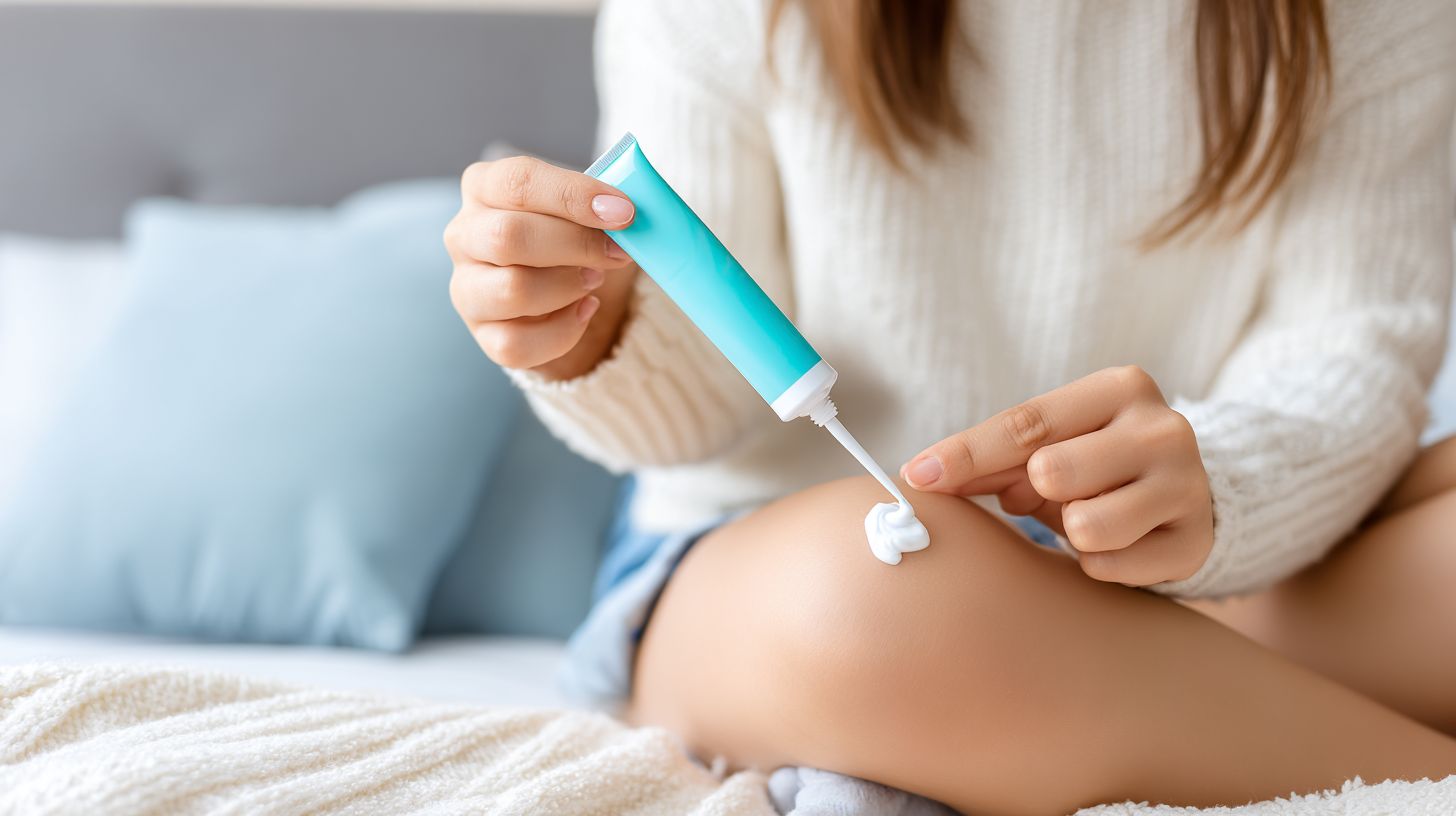
Diclofenac gel reaches steady state after 4 applications daily with a 12-hour therapeutic window. This schedule maintains consistent medication levels for continuous pain management. Regular timing supports better outcomes than sporadic use during flare-ups.
Acute strains benefit from three to four applications daily over seven to fourteen days. Chronic arthritis conditions typically require two to three applications as ongoing treatment. Neuropathic pain from capsaicin needs twice daily minimum for at least fourteen consecutive days.
Schedule applications around physical therapy sessions for enhanced treatment effects. Allow time between heat application and topical use to prevent increased skin absorption. Coordinated timing maximizes both modalities without interference.
Track daily application times to maintain consistent intervals between doses. Set phone reminders for regular use during busy schedules. Consistent frequency supports better pain management than irregular application patterns.
Common Mistakes to Avoid
Application errors cause 23% of reported adverse events including excessive use and incompatible layering. Many individuals apply topical creams incorrectly, leading to reduced effectiveness or unwanted reactions. Proper technique matters for both safety and results when treating arthritis or muscle soreness.
Exceeding recommended amounts creates unnecessary risks with NSAID creams. Applying more than 4 grams of diclofenac per joint daily violates FDA limits and increases systemic absorption. Users should measure doses carefully using the provided dosing card rather than estimating amounts.
Combining topical creams with heat sources causes dangerous increases in drug absorption. Heating pads can triple the amount of medication entering the bloodstream through enhanced skin absorption. This interaction applies to both NSAID creams and counterirritant products containing menthol or methyl salicylate.
Layering different pain relief products often triggers skin irritation or chemical reactions. Combining counterirritants with NSAID creams creates unnecessary inflammation and discomfort. Users should apply one product type at a time and wait for complete absorption before considering additional treatments.
Skipping sun protection while using certain topical analgesics increases photosensitivity reactions. Some ingredients cause skin to burn more easily under ultraviolet exposure. Applying sunscreen becomes essential for exposed areas treated with these medications.
Applying creams to broken skin allows excessive absorption and potential systemic effects. Open wounds, cuts, or irritated areas bypass natural skin barriers designed to regulate medication uptake. Treatment should focus only on intact skin surrounding the injury site.
The VAERS database contains multiple reports of adverse events related to these application errors. Cases document excessive dosing, heat interactions, and layering complications across various product types. These reports highlight the importance of following package instructions precisely.
Potential Side Effects
Topical NSAID adverse events occur at 2.3% incidence versus 13.5% for oral NSAIDs in comparative studies. Topical creams for pain relief present lower systemic risks than oral medications. Users should monitor their skin for any changes after application.
Common reactions include erythema affecting 4-8% of users. This reddening typically appears within hours of first use. Most cases resolve within several days without additional treatment.
Uncommon effects such as pruritus occur in 2-3% of applications. This itching sensation may develop alongside mild swelling at the application site. Discontinuing use usually eliminates these symptoms quickly.
Rare systemic effects happen in less than 1% of users. These reactions include dizziness, stomach upset, or changes in blood pressure. Contact medical professionals immediately if these symptoms appear.
Contact dermatitis rates vary by ingredient type. Diclofenac based products show 1-2% dermatitis occurrence. Methyl salicylate formulations produce reactions in 3-5% of users. Capsaicin creams cause burning sensations in 10-15% of applications initially.
Patients sensitive to aspirin should avoid products containing salicylates entirely. Cross-reactivity between topical and oral forms can trigger severe reactions. Alternative ingredients like lidocaine or menthol provide safer options for this group.
The FDA requires black box warnings for diclofenac products regarding cardiovascular risks. Heart attack and stroke possibilities exist even with topical application. Discuss these warnings with healthcare providers before starting treatment.
When to Seek Medical Advice
Discontinue use and consult physician if pain persists beyond 7 days or adverse reactions develop. This timeline helps identify when a topical cream may not be addressing the underlying issue effectively. Monitoring your response to treatment allows for timely adjustments to your pain management approach.
Track your pain levels using a standard numeric rating scale before and after application. Seek medical attention if your pain increases more than three points on this scale despite consistent use. New swelling, bruising, or skin breakdown at the application site also warrants immediate professional evaluation.
Pregnancy categories affect which products you can safely use during this time. Diclofenac carries a category C rating while capsaicin holds a category B classification. Always discuss topical analgesic options with your healthcare provider before starting treatment during pregnancy.
Most over-the-counter topical creams carry restrictions for children under 12 years old. Elderly patients require careful monitoring for potential renal effects from NSAID cream absorption. Some products may interact with existing medications or health conditions common in older adults.
Red-flag symptoms demand immediate medical attention regardless of how long you have been using the product. These include difficulty breathing, widespread rash, severe dizziness, or signs of systemic allergic reaction. Stop using any topical cream and seek emergency care if these symptoms appear suddenly.
Further Reading: If you’re new to CBD and want a straightforward overview of what to consider before getting started, read Understanding CBD: A Practical Guide for First-Time Consumers.