
Hubby Digital is a modern online magazine delivering content that reflects today’s fast-moving culture, emerging digital industries, and lifestyle trends. From entertainment and travel to technology and crypto, we cover the topics shaping conversations around the world.
Explore curated articles, interactive discussions, and reader-submitted features that bring fresh viewpoints to the forefront.

What We Cover
Hubby Digital features broad, high-value content across multiple categories:
- Entertainment & Celebrities
- Lifestyle & Wellness
- Education & Career Insights
- Digital Finance
- Technology & Innovation
- Fashion & Beauty
- Food, Travel & Culture
- Relationships & Quality-of-Life Topics
Our editorial direction spans both trending subjects and evergreen knowledge.
How Hubby Digital Works
We combine professional-level content with user participation to create a balanced, relevant experience. HD includes:
Editorial Articles
Written by our staff and expert contributors covering in-depth insights, industry changes, trends, and advice.
This allows every voice—from professionals to enthusiasts—to be represented.
Why Readers Come to Hubby Digital
Clear, useful information
We simplify complex industries such as crypto, technology, and digital platforms.
Real-world lifestyle advice
From financial wellness to travel planning, our readers come looking for guidance they can act on right now.
Culture, trends, and what’s next
The magazine highlights rising trends, cultural shifts, entertainment news, and platform innovations.
A participatory experience
You are not just reading. You can contribute, interact, share perspectives, and influence what’s covered next.
Join Our Contributor Community
If you have insights or interests worth sharing, we invite you to be part of our content ecosystem.
Guest content is open to:
- Writers
- Bloggers
- Analysts & educators
- Lifestyle creators
- Industry leaders
- Everyday readers with personal expertise
Stay Connected
Hubby Digital continues to evolve with new content, interactive tools, polls, creator spotlights, and community-driven programs.
Come back often to explore:
- New weekly articles
- Live surveys
- Guest submissions
- Trending discussions
- Insights across fast-moving industries
Hubby Digital is not just another magazine—it is a platform designed for participation, knowledge, and discovery.
Welcome to HD.
Explore. Learn. Engage. Be part of what’s next.
- How to Build a Workout Routine That Fits a Busy Life
The hardest part of staying active is often finding a routine that survives an ordinary week. Work runs late. Family plans change. A workout takes longer than expected, and suddenly the evening feels rushed from beginning to end.
A practical fitness routine accounts for those demands before they become problems. It gives exercise a place in the calendar while leaving enough room for meals, rest, and the responsibilities waiting afterward.
For people who enjoy basketball, gym sessions, running, or martial arts, the goal is to keep showing up over time. That becomes easier when the plan fits the life you actually lead.
Start With the Time You Really Have
It is easy to design an ambitious schedule on Sunday night. Following it on a tired Thursday is a different matter.
Before choosing how often to train, look at the full appointment. A one-hour class might require twenty minutes of driving each way, time to change, and a shower when you get home. What appears to be an hour of exercise can occupy most of an evening.
That does not make the class a bad choice. It means the calendar needs to reflect the whole commitment.
Consider three questions:
- Which days usually offer a reliable window?
- How much time does each session take from departure to getting home?
- What needs to happen afterward?
Someone with two dependable evenings may find a two-session routine easier to maintain than a four-session plan that requires constant rearranging. Extra activity can still fit when the week allows it.
A reliable starting point gives you something to build on.
Give Different Sessions Different Jobs
Every workout does not need to accomplish everything.
A basketball game might provide competition and time with friends. A strength session can focus on a few planned exercises. A martial arts class might emphasize learning a technique rather than taking every opportunity for hard sparring.
Knowing the purpose of a session makes it easier to decide how it fits into the week.
For example, someone who plays in a demanding weekend league could use another day for skill practice. A gym member with limited time might choose a shorter session with a clear focus instead of trying to complete a long list of exercises.
The useful question is simple: what do I want to get from today’s session?
A clear answer helps prevent the familiar habit of adding more work simply because you are already there.
Borrow the Planning Habit From Professional Sport
Professional athletes operate in circumstances most people cannot reproduce. Their schedules, facilities, coaching, and access to medical support are built around performance.
Still, the attention given to preparation offers a useful lesson. Training decisions include what happens between sessions, not just what happens during them.
CEOColumn’s article on Stephen Curry and the role of recovery in an athlete’s routine explores that relationship through the demands of basketball and everyday recreational activity.
For a busy adult, the practical application is calendar planning. Before adding another demanding session, look at the surrounding days. Consider the late shift, the early school run, or the travel already scheduled.
You do not need a professional athlete’s timetable to make those decisions deliberately.
Plan the Journey Home
Many exercise plans stop at the end of the workout. Real life keeps going.
You may finish a class hungry, arrive home with tomorrow’s lunch still unpacked, and spend the next hour catching up on chores. By the time everything is done, the evening has stretched much later than intended.
A few decisions made earlier can reduce that rush:
- Have an easy meal available.
- Pack what you need for the following morning.
- Set out clean clothes before leaving.
- Decide which household tasks can wait.
- Allow time to shower and settle down.
These are small conveniences, but they address the part of exercise that often makes a routine difficult to repeat.
If training regularly creates a chaotic evening, the session time or the arrangements around it may need adjusting. Moving a workout earlier or choosing a closer facility can sometimes make a bigger difference than changing the workout itself.
Use Technology to Reduce Friction
A phone can make staying active easier, especially when it handles practical tasks.
Calendar reminders help protect a class time. A notes app can hold a short exercise plan. An online booking system can remove the last-minute search for an available session.
The best tool is often the one that saves you a decision.
For example, a recurring reminder to pack your gym bag before work may be more useful than another app full of complicated statistics. Keeping your usual class times in one calendar can help you spot conflicts before they happen.
Wearables can also provide information about activity and personal trends. Their readings are estimates, however, and should be considered alongside how you feel and how your sessions are going. A number on a screen should not become a reason to ignore pain or force an unsuitable workout.
Use the information to support your choices. Keep the routine simple enough to follow without constantly checking a dashboard.
Create a Shorter Option for Crowded Days
An exercise plan becomes fragile when it has only one acceptable version.
If your usual gym visit requires ninety minutes and you have forty, you may decide the entire day is lost. Having a shorter option prevents that scheduling problem from becoming an automatic cancellation.
Depending on your goals and circumstances, an alternative might be:
- A brief walk during an available break.
- A shorter version of a familiar workout.
- A class at a more convenient time.
- A simple practice session using skills you already know.
- Moving the planned session to another suitable day.
The alternative should be realistic and appropriate for you. It should not become an attempt to squeeze the same workload into half the time.
The purpose is to keep useful activity available when the original plan no longer fits.
Make Returning After a Break Easier
Even a well-planned routine will have interruptions. Travel, family commitments, illness, or a busy period at work can take you away from your usual schedule.
When you return, it helps to review what you can reasonably manage now. Your previous routine provides context, but it does not have to dictate the first week back.
Speak with your coach or instructor about an appropriate starting point. Consider session length, frequency, and intensity rather than immediately restoring every part of the old schedule.
Returning after an injury is a separate situation and may require an individual rehabilitation plan.
For an ordinary scheduling break, avoid turning the return into a test of willpower. Choose a manageable appointment, prepare for it, and give yourself a chance to rebuild consistency.
Review the Routine by Looking at Your Week
A routine can look impressive on paper and still be awkward to live with.
After following it for a few weeks, review the practical results:
- Are you attending the sessions you planned?
- Do workouts regularly make evenings feel rushed?
- Are you enjoying the activity?
- Does the schedule leave room for rest and other commitments?
- Which sessions are easiest to maintain?
The answers can reveal useful changes. Perhaps a morning session is more dependable than an evening one. Perhaps a nearby class is worth choosing over a better-equipped gym across town. Perhaps one fewer appointment creates a schedule you can follow consistently.
Build around those observations. A routine that earns a regular place in your life gives you repeated opportunities to practise, learn, and stay active. Start with the time available, prepare for the hours around each session, and adjust the plan as your circumstances change.
- Beginners Guide to Using Topical CBDThat nagging shoulder ache after a long day at the desk? A lot of people are discovering they don’t need to pop a pill to feel better. Topical CBD offers a simple, targeted option-no systemic effects, just direct comfort where it’s needed. In the next few minutes you’ll learn what topical CBD actually is, how it works on the skin, which products to choose, and how to use them safely on day one.
1. What Is Topical CBD?

Think about putting some cream on your elbow and asking yourself whether you’ve just done something that could reach your nervous system without actually going through your blood. That’s how topical CBD differs from stuff you swallow. The cream stays put and works with receptors in your skin right where you rubbed it.
Products you take by mouth go through your digestive tract and hit your whole system. Topicals skip that step. Your skin keeps most of it from going anywhere else, so the cannabinoids stay local.
Balms start with wax bases mixed with either CBD isolate or broad-spectrum extracts. Creams take a different route-they blend water and oil phases using emulsifiers so the product spreads easier over bigger spots. Salves lean heaviest on wax, and they form thick layers that stay on the surface for longer.
The FDA treats these as cosmetics when the labels mention moisturizing. Once a product claims it helps with pain, reduces swelling, or treats eczema, it crosses into drug territory. That’s why most companies stick to straight skincare language on the packaging.
2. How Does Topical CBD Work?
Think of your skin as a picky gatekeeper. The outer layer blocks almost everything, but a few compounds slip through and reach the receptors waiting underneath.
CB2 receptors cluster more densely in the middle layers than on the surface. Because of that, CBD balms and creams only need to travel that far to do their job. The molecules attach where the receptors gather, which explains why you feel localized relief right where you rub it in.
CBD works like a key. Once it snaps into place, cells in that area respond. Nothing travels farther than the skin itself.
Oral CBD, by contrast, winds through your gut and floods your bloodstream. Topicals short-circuit that path. You put the salve on a stiff elbow or a patch of irritated skin, and the whole body never gets involved.
3. Benefits of Using Topical CBD
One product line now promises the same relief whether you’re icing a banged-up knee after a trail run or calming a red patch of eczema on your arm. Research backs up the anti-inflammatory angle. Put CBD straight on the skin and the cannabinoids get to work locally instead of traveling through your stomach first, so the effect lands quicker exactly where you need it.
People with post-workout soreness rub CBD balm onto tight shoulders, knees, or the small of the back. At the CB2 receptors in skin tissue, the analgesic action seems to cut off those pain signals before they reach the brain. That stays local. Oral drops or tinctures, by contrast, send the same compounds everywhere.
MCT oil or hemp seed oil carries the CBD deeper into the epidermis, and those same oils double as simple moisturizers. They ease the itch and flake of dry skin because they’re good oils, not because they contain cannabinoids.
Plenty of jars now blend in arnica or menthol too. Both give an instant hot-or-cold tingle that pulls attention away from the ache.
4. Types of Topical CBD Products
The texture you’re holding decides everything. Same dose, three totally different ways it moves across your skin.
Base Type Absorption Rate Spreadability Best Body Areas Oil-Based Emulsions Moderate, needs time to penetrate Thick, requires rubbing Dry patches, elbows, knees Water-Based Emulsions Faster, absorbs within minutes Light, glides easily Face, neck, larger surface areas Pure Oils Slowest, rests on surface before sinking Runny, spreads thin Hands, feet, targeted joints Oil-based emulsions start out thick because they’re mostly carrier oils plus a little water to hold it together. That thickness works for you on elbows or knees-you rub them in, and the extra moisture stays longer while the CBD slowly sinks through. CBD cream and CBD lotion usually fall here. They’re not flashy, but reliable when skin’s already rough and thirsty.
Water-based versions feel almost nothing like that. The emulsifier keeps the oils in tiny droplets so the whole thing stays runny and light on your fingers. Once the water disappears, you’re left with the active bits parked on the skin in small pockets, which absorb fast without any greasy after-feel. If your skin reacts to heavy balms, this lighter format is nicer on the face or neck where you need coverage but hate residue.
Pure oils skip water entirely. MCT, hemp seed, or whatever carrier they chose sits right on the surface until it slowly sinks in. The longer contact time can be an advantage: a few drops rubbed into knuckles or heels before bed often give the best overnight results. Because they’re pure oil, though, they’re less forgiving on skin that doesn’t like extra grease.
5. Choosing the Right Product

Most people just grab whatever jar looks nice. Until they realize the stuff they bought sits heavy on their face or barely touches sore knees. The first thing to settle is where you’re putting it.
Your face wants something that won’t clog pores, so lighter lotions without heavy oils. Knees, elbows, or post-workout muscles do better with thicker balms, the kind that carry menthol or arnica to kick in faster.
Spectrum gets tricky because rules change state by state. Full-spectrum still holds 0.3% THC, which some places won’t let on the shelf. Broad-spectrum or isolate versions slip past those limits. Plenty of users swear by the full version for the extra plant compounds working together, yet an isolate works fine for others if that’s all they can buy.
Look past the fancy labels. Every batch should have its own Certificate of Analysis, the one that spells out actual CBD content and shows tests for metals, pesticides, and leftover solvents from the CO2 run. Make sure the date lines up with the bottle in your hand and that the company keeps issuing fresh reports.
6. How to Apply Topical CBD
Your fingertip pressure and motion count more than most people realize when spreading a product designed to interact with skin receptors. Start with a patch test on the inside of your forearm, and wait at least thirty minutes to check for any redness or irritation. This step saves headaches later if your skin happens to be sensitive.
Once you’re clear, clean and dry the area where you want relief. Take a pea-sized amount of CBD cream or balm and warm it between your fingers first. That softens thicker textures so they spread without tugging.
Rub in small circles for a full sixty seconds, using steady but gentle pressure. The goal is to work the product into the top layer without scrubbing hard enough to irritate.
Different textures need different approaches. Lighter lotions disappear quickly, so you might need a second pass to cover the whole zone. Thicker salves stay put longer, therefore one solid minute of massage usually does the job. Stop when you feel the skin turn slightly warm from the friction, then let the product sit undisturbed.
7. How Much Should You Use?
Some creams want a pea-sized dab. Others ask for twice that before they do much. It all depends on what’s actually in the jar.
Check the label first. The percentage tells you how much real CBD lives in each gram. Divide total milligrams by total weight. A 2-ounce jar with 500mg inside works out to about 8mg per gram. Most people rub in one to three grams per spot, so you’re looking at 8-24mg per use. Once you know your jar’s ratio, the math stops being a headache.
Balms pack more punch than thin lotions. A thick salve can hit 50mg in a dime-sized glob, while watery cream at the same size might only give you 10mg. Don’t guess-read the numbers on your tube.
No scale handy? A pea is roughly half a gram. A dime-sized swipe is closer to one gram. A quarter-sized patch lands around two. Start small. Wait twenty minutes. Still nothing? Add another layer.
Consider where you’re rubbing it. Knuckles don’t need what your lower back does. Cover the skin, but stop before it looks shiny. Extra product just sits there and won’t sink in any better than the first coat.
8. Where to Apply Topical CBD
Same jar, different results. You rub it on your knuckles after gardening and barely feel it on your lower back unless you know how skin thickness plays into the whole thing. Some spots drink the stuff straight up. Others just sit there.
Thin areas tend to have more receptors packed in, especially wrists and temples. Blood vessels run close to the surface too. That’s why the CBD cream starts working faster on those spots than it does on the thicker skin around your elbows.
Elbows and knees fight back. They have a tougher outer layer, so the cannabinoid receptors are there but harder to reach. You end up using more product and waiting longer before you notice much of anything.
Start with the inside of your forearms. The skin is thin, blood flow is decent, and it takes the product in pretty quick. Do a couple of quick tests with the same amount on different areas. You’ll start to see how your own body handles it.
9. How Long Does It Take to Work?

Your skin sets its own schedule for topical CBD. The clock depends on how thick your skin is, what kind of balm or cream you’re using, and the oils or water carrying the hemp extract through those layers.
Oil-based products take their time. The carrier oils sit on top and work their way down slowly, so the relief can show up gradually over minutes rather than seconds.
Water-based creams move faster for some folks. Different delivery methods push the hemp extract into the skin more quickly, but that varies wildly depending on whether your skin runs dry or oily. And yes, skin type actually matters here.
Thicker CBD salve formulas sit around on the surface longest. The lighter lotions spread more easily. Some people swear they feel those quicker. The trick isn’t chasing instant relief every application.
Consistency beats speed. Someone logging hours outside with rougher, thicker skin might wait longer for results than someone with thinner skin. The real test is paying attention to what your skin does after repeated use, not whether it matches what a friend described.
10. How Often Should You Apply It?
Some folks do fine with twice a day. For others, the first coat disappears so fast they need another round before lunch. Your skin moves at its own speed. Trying to force it into a strict schedule usually backfires.
Pay attention to when the product actually vanishes into your skin instead of staring at the clock. Hand washing wipes away what you just put on, so anyone scrubbing their hands every few minutes will need touch-ups sooner than someone glued to a desk.
Sweat works the same way, especially with water-based formulas that lose their grip once you start moving. A heavier balm or salve with thicker carrier oils tends to stick around longer when you’re doing physical work.
Watch your skin instead of following rigid rules. When it starts feeling less supple, that’s your cue. Overdoing it shows up as the moisturizing effect fading away, not some dramatic reaction. If your CBD cream or CBD salve quits making its usual difference, drop back to once daily for a few days. Skin gets saturated, and backing off often brings back the original results without running into tolerance issues.
11. Potential Side Effects
Most people never run into any problems. When they do, the reaction often shows up as ordinary tightness or a faint pink flush that fades within the hour. It rarely lingers.
Timing tells you something. A quick sting can hit minutes after you rub in a new CBD balm, while dryness or flaking usually shows up later the same day. The gap between the two clues you in whether the skin is simply adjusting or whether it objects to something specific.
Ask three questions if something feels off. Is the redness still there after two hours? Does any itch get worse instead of easing? Did you skip the patch test on your inner wrist? Answer yes to any of those and it’s safest to quit and look for another formula.
If the skin looks calm and any mild warmth leaves within thirty minutes, you can usually keep going. Just switch to a thin layer every other day so the skin has time to settle. When you’re still unsure, call a dermatologist.
12. Tips for First-Time Users
New users overthink the first swipe and forget the next two. They obsess over what the CBD cream feels like going on instead of watching what happens once it settles in.
Keep notes on your skin about twenty minutes after you apply it, then again before bed. Texture changes matter more than the quick hit of cooling or warming. Notice how the spot feels when you move it versus when you hold still.
Under good light, look for any redness or dryness that wasn’t there before. Compare both sides of your body if you’re only treating one knee or shoulder so you learn what normal is for you.
By day four or five the biggest clue usually isn’t how the cream feels when you touch it again. It’s how the joint feels when you press on it later. That reaction shows whether the product is actually working or just lying on the surface.
13. Common Mistakes to Avoid

A lot of people trip up on the same three things, no matter what kind of topical they’re buying. The first one hits right at checkout.
Most folks grab whatever has the loudest label and trust the branding instead of hunting for real proof. Third-party testing beats any slogan. Skip the lab reports and you can’t tell whether the milligrams on the front match what’s actually in the jar. Some products run at half strength. Others sneak in trace THC even when they say they’re clear of it.
So build the habit of checking the latest Certificate of Analysis before money changes hands, not after you get the product home.
The next mistake happens as soon as you twist the cap off. How you rub it in determines whether any CBD reaches the receptors that matter. A lot of users wipe the cream until it disappears and call it done, but that quick motion mostly slides product around on the surface.
Skin absorption needs a slower approach. A gentle, circular massage for about a minute helps the oils and CBD concentration sink through the outer layer rather than just sitting on top. You’ll feel a little warmth when it’s working. Take your time on elbows, knees, and any joint that gives you trouble.
Storage catches people last. Heat wrecks both texture and potency. A sunny windowsill or a hot dashboard can split the oils and cut effectiveness after only a few months.
Stash your balm in a cool, dark cabinet. Check the date printed on the container now and then, and give it a quick shake the first time you reach for it after it sits untouched for weeks.
Small tweaks like these keep your usual amount working the way it should.
14. Storing Your CBD Products
Your bathroom cabinet might be the last place you should keep these things, even though it’s the first place most of us reach for.
Humidity is the real problem in there. Every shower releases steam that creeps inside the containers, breaking down both oil-based products and creams, and it does more damage than heat or sunlight ever will.
Light is another story. UV rays make cannabinoids lose potency fast-leave a clear glass bottle of CBD oil or CBD tincture on the counter and it’s already degrading. Keep it in a dark cupboard instead and it stays stronger longer.
Heat hits different depending on the base you’re dealing with. Oil-based products tend to weather temperature swings without much trouble, but CBD cream and CBD balm can separate or turn grainy when the temperature stays high.
Where to actually put them? A cool, dark closet beats a kitchen cabinet most days. A bedroom drawer is better than the bathroom. If your climate runs hot, slide your CBD salve into the fridge for the long haul, though it’ll firm up once it’s chilled.
And don’t forget the air. Every time you crack the lid, oxygen starts breaking down the active compounds right away. A tight seal slows this down, but the more often you open it, the faster things fall apart-even with the light and heat taken out of the picture.
15. When to Consult a Doctor
You might be tempted to keep experimenting with different creams and lotions, but some reactions are loud enough that you shouldn’t ignore them.
redness, welts, or itching that shows up within hours of your first application? That’s your cue. Stop everything. Those aren’t mild side effects-they’re your immune system waving a red flag about an allergic reaction. See a doctor.
Then there’s the slower stuff that creeps in after a few days. Maybe it’s dryness that won’t quit or tiny bumps that weren’t there before. Often the culprit is something simpler than the CBD itself. Carrier oils like MCT or hemp seed oil can cause their own problems, and a dermatologist can pinpoint which ingredient is to blame.
And if you already live with eczema, psoriasis, or arthritis, don’t just wing it. Prescription treatments for those conditions can clash with over-the-counter CBD products. One quick conversation with your doctor can save you weeks of trial and error, and might get you pointed toward a cream that’s actually formulated for sensitive skin like yours.
What Should Beginners Know Before Buying?
Walk into any shop or open any online cart and you’ll find dozens of topical CBD options staring back at you. Two quick checks before handing over any money can save you from most of the usual regrets.
Start by asking whether someone has actually tested what’s in the container. A label claiming 500mg means nothing if the batch never reached a lab. Regulations don’t require consistent testing across brands, which leaves buyers responsible for doing this legwork themselves.
Next comes the spectrum question. Some people prefer just the isolated compound while others want the full plant mix. Your choice comes down to personal preference and legal comfort level, since current research doesn’t settle which works better for skin applications.
Both checks take just a few minutes. Skip them and you might end up with something that doesn’t match what you expected.
Is the product third-party tested?
Third-party testing works like an independent referee confirming the label matches what’s actually inside. Labs scan for heavy metals, pesticides, residual solvents, and microbial growth that can sneak into plant material during growing or processing. Each contaminant brings its own set of problems, from skin irritation to longer-term health concerns.
Finding the actual results takes patience. Look for a QR code or batch number on the packaging. Scan or enter it on the company’s website to pull up the Certificate of Analysis. A clean report shows your chosen CBD concentration in the tested range, with everything else listed as below detection limits.
Testing happens at different frequencies depending on the manufacturer. Some companies test every batch while others sample randomly. Ask customer service about their schedule if the most recent report feels dated. Regular testing signals a company that treats product consistency seriously rather than just claiming it.
Don’t hesitate to contact support if the certificate proves difficult to locate. A reputable seller should send you the data within a day or two. If they dodge the request or claim proprietary reasons, consider that a red flag and move on.
Does it contain full-spectrum or isolate CBD?
The spectrum type determines whether you’re getting just CBD or a combination of hemp compounds. Isolate products contain only the purified CBD molecule with everything else stripped away. Full-spectrum options keep the original mix of cannabinoids, terpenes, and other plant compounds found in hemp.
That difference matters for legal reasons. Full-spectrum products can contain up to 0.3 percent THC under federal rules, while isolates stay completely free of it. For most people this small amount stays below detectable limits in drug tests, but anyone subject to regular screening should stick with isolate or broad-spectrum options that remove the THC.
Research hasn’t established that any particular spectrum works noticeably better when applied to skin. The compounds do interact with local cannabinoid receptors in different ways, but practical differences in how quickly relief sets in or how long it lasts remain unclear. Your choice hinges more on personal preference and individual sensitivity than proven superiority.
Check the ingredient list for the actual spectrum designation. Companies sometimes use marketing language that obscures whether you’re getting isolate, broad-spectrum, or full-spectrum. When in doubt, contact the manufacturer directly rather than guessing from vague descriptions.
- Beginners Guide to Using Topical Creams For Pain ReliefChronic pain affects over 50 million adults daily, yet traditional oral medications often bring unwanted side effects. Topical creams offer targeted relief by delivering active ingredients directly through the skin. This guide examines three main categories-counterirritants, NSAID formulations, and capsaicin-based products-along with evidence-based application techniques and safety considerations. You’ll discover how to select the appropriate option for your specific condition while avoiding common pitfalls that reduce effectiveness.
Introduction to Topical Pain Relief
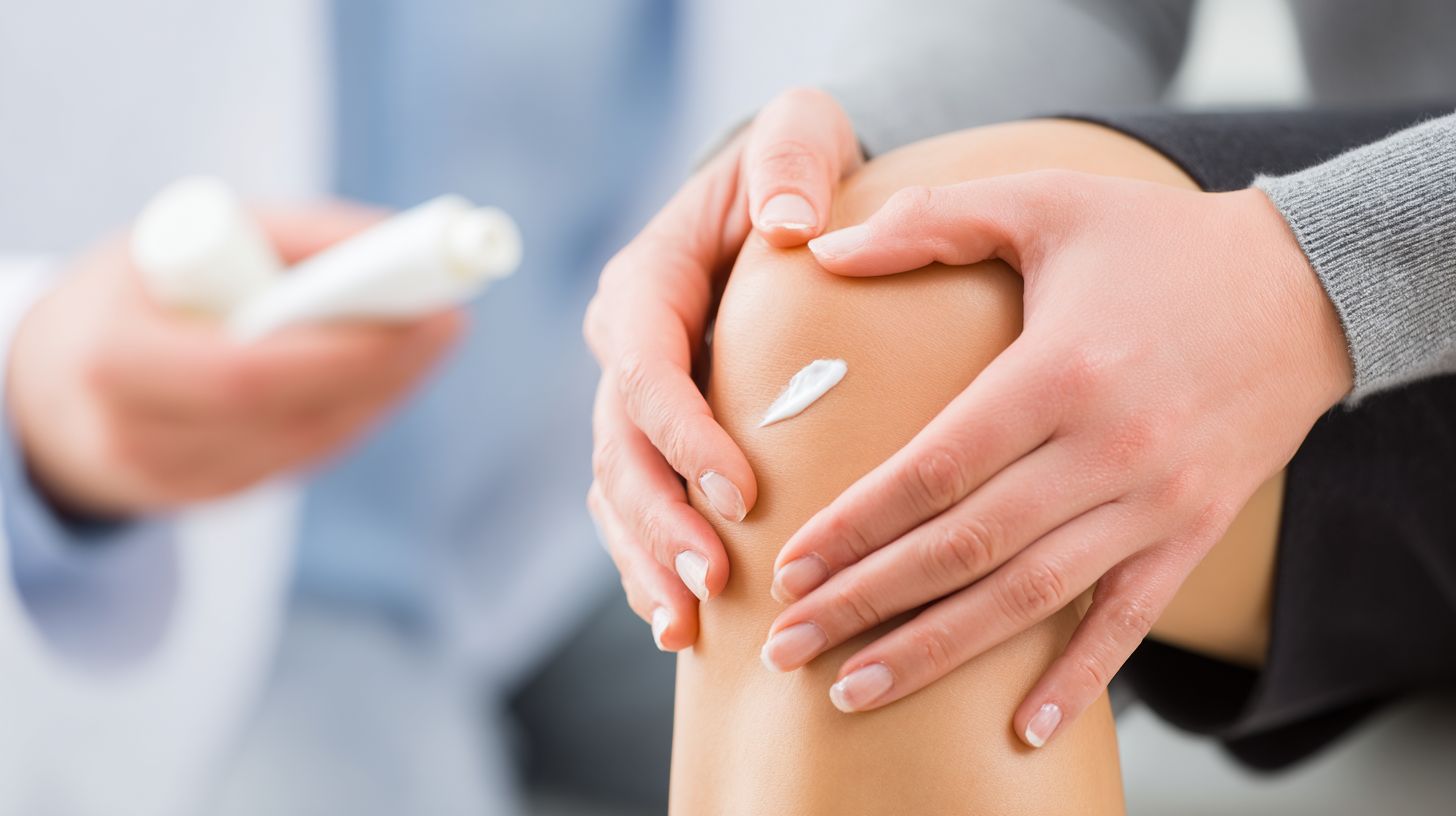
Topical pain relief products generated $2.8 billion in 2023 sales according to IQVIA data, with diclofenac gel (Voltaren) holding 34% market share. The market has expanded significantly since 2019 as more people seek alternatives to oral medications. Consumers are choosing these products for their convenience and reduced systemic effects.
Transdermal absorption rates for topical creams range from 5% to 10% bioavailability compared to 100% for oral medications. This lower absorption rate means less medication enters the bloodstream overall. The reduced systemic exposure leads to fewer side effects throughout the body.
The FDA has approved several over-the-counter topical pain relief products including Voltaren Arthritis Pain, Aspercreme, and Salonpas patches. These products contain active ingredients such as diclofenac, lidocaine, and methyl salicylate. Each formulation targets different types of pain through various mechanisms of action.
Topical NSAIDs reduce gastrointestinal risks compared to oral NSAIDs because less medication reaches the digestive system. This makes them safer options for people with stomach sensitivities or those taking blood thinners. The localized treatment approach allows users to apply medication directly to affected areas.
Types of Topical Creams
Topical analgesics fall into three distinct pharmacological categories with different mechanisms and usage patterns.
Each category targets pain through unique pathways. Counterirritants create sensory distraction while NSAID creams reduce inflammation at the source. Capsaicin products work by depleting pain signaling chemicals over time.
Selecting the right type depends on pain location and cause. Acute muscle soreness responds differently than chronic joint conditions. Skin absorption rates vary between cream bases and active ingredients.
Users should consider application frequency and expected onset time when choosing between categories. Some products combine multiple mechanisms for enhanced relief. Local treatment minimizes systemic effects compared to oral medications.
Counterirritants
Menthol 1.25-16% and methyl salicylate 10-30% products create sensory distraction via TRPM8 and TRPA1 receptor activation.
These ingredients produce cooling or warming sensations that interrupt pain signals. Blood flow increases to the application area while nerve endings become temporarily less sensitive. The effect provides immediate but temporary relief.
Product Price per Ounce Onset Time Duration Icy Hot (menthol 7.6%/methyl salicylate 29%) $2.50 5-15 minutes 2-6 hours Biofreeze (menthol 10.5%) $3.00 5-15 minutes 2-6 hours Salonpas (methyl salicylate 10%/camphor 3.1%) $2.75 5-15 minutes 2-6 hours Bengay (methyl salicylate 30%) $2.25 5-15 minutes 2-6 hours Research suggests these products work best for acute muscle soreness and minor strains. Athletes often apply them before workouts to reduce post-exercise discomfort. The cooling sensation helps mask deeper tissue pain during activity.
NSAID Creams

Diclofenac sodium 1% gel demonstrates 94% pain reduction in osteoarthritis studies with 6% systemic absorption.
These creams inhibit COX enzymes directly at the pain site. Inflammation reduction occurs without affecting stomach or kidney function. The localized approach makes them suitable for patients who cannot tolerate oral NSAIDs.
Voltaren Arthritis Pain gel costs $15.99 for 3.5 ounces while generic diclofenac gel runs $11.49 for the same amount. Both contain identical active ingredients at the same concentration. Cost differences reflect brand name versus generic formulations.
Clinical trials show 50% pain reduction versus 23% with placebo in knee osteoarthritis over three weeks. Application limits reach 32 grams daily across affected areas. Peak plasma levels occur 10-14 hours after application with minimal systemic distribution.
Capsaicin-Based Creams
Capsaicin 0.025-0.1% creams deplete substance P from C-fiber neurons over 1-2 weeks of consistent use.
Low-dose concentrations at 0.025% work for arthritis pain while 0.075% targets neuropathic conditions. Prescription 8% patches treat postherpetic neuralgia under medical supervision. Each concentration requires different application protocols.
Initial burning sensations typically last through the first 3-5 applications as nerves adjust. NIH-funded research shows 30% pain reduction in diabetic neuropathy after eight weeks of regular use. Combination therapy with lidocaine can reduce discomfort during the adjustment period.
These products suit chronic nerve pain conditions including fibromyalgia and shingles pain. Regular application builds tolerance while maintaining pain relief. Users should avoid eye contact and wash hands thoroughly after each application.
How Topical Creams Work
Topical analgesic penetration follows Fick’s law with stratum corneum acting as primary barrier for 1-5mm depth delivery. The medication moves from high concentration at the skin surface to lower concentration in deeper tissues. This process creates a controlled release that targets pain directly at the source.
Concentration gradients drive how effectively these medications reach nerves and inflamed tissues. Higher surface concentrations push more active ingredients through the skin layers. Blood flow in the area can either help or slow absorption depending on circulation patterns.
COX-2 inhibition reduces the enzymes that trigger inflammation and pain signals. This mechanism works like oral NSAIDs but stays localized to the application site. Sodium channel blockade prevents nerve cells from sending pain messages to the brain.
TRPV1 desensitization occurs when capsaicin creams repeatedly stimulate heat receptors. This process eventually reduces the nerve’s ability to transmit pain signals. The initial warming sensation gives way to numbing effects over time.
Penetration enhancers improve how well active ingredients cross the skin barrier. DMSO and menthol help medications reach deeper tissues more effectively. Research suggests these compounds can increase bioavailability by two to three times compared to base formulations.
Common enhancers include compounds that temporarily alter skin structure. They create pathways for larger molecules to pass through the outer layer. This allows medications like diclofenac and lidocaine to work at therapeutic levels in underlying tissues.
Choosing the Right Cream

The first step involves matching cream selection to pain mechanism using validated pain assessment scales (0-10 NRS) and location depth indicators. Understanding whether discomfort stems from surface tissue or deeper structures helps narrow options effectively. Proper identification prevents wasted effort and reduces chance of inadequate relief.
Joint pain typically responds best to NSAID creams. These products work by blocking COX enzymes at the application site. Diclofenac gel remains a common choice for arthritis symptoms in knees, shoulders, and hands. Apply a thin layer directly over the affected area three to four times daily for consistent results.
Experts recommend counterirritants for muscle strain and soreness. Menthol and methyl salicylate create cooling or warming sensations that distract from discomfort. These options work well for post-workout recovery, sports injuries, and general back or neck pain. Users often notice effects within minutes of application.
Neuropathic symptoms require different approaches. Capsaicin cream targets TRPV1 receptors to reduce nerve pain signals. Lidocaine products provide numbing effects for conditions like diabetic neuropathy or post-shingles discomfort. Both require consistent use over several days to achieve meaningful improvement.
Post-surgical pain often needs prescription-strength NSAID creams. These stronger formulations provide localized treatment while minimizing systemic drug exposure. Healthcare providers may recommend specific products based on surgery type and individual medical history. Always follow prescribed dosage and frequency instructions.
Application Guidelines
Application protocols vary by active ingredient with specific gram amounts and timing for optimal therapeutic levels. Each product type requires different preparation steps and skin contact duration. Proper technique ensures maximum medication absorption while minimizing waste.
Start by cleaning the target area with mild soap and patting dry before any application. Remove jewelry or clothing that might interfere with the treatment zone. Room temperature products spread more evenly than cold formulations that resist distribution.
Apply using gentle circular motions until the product disappears completely into the skin. Wash hands thoroughly unless treating finger joints directly. Consistent daily timing helps maintain steady medication levels throughout treatment periods.
Store products away from direct sunlight and extreme temperatures to maintain effectiveness. Check expiration dates regularly and replace items showing separation or unusual odors. Proper storage extends shelf life and preserves active ingredient potency.
Proper Dosage
Diclofenac gel dosing uses 2-4g per joint measured via fingertip unit method. This measurement provides consistent amounts across different users and joint sizes. Cherry-sized amounts work well for smaller areas while larger joints require additional product.
Capsaicin at 0.025% strength needs only a thin layer applied two to three times daily. Menthol products typically require three to four applications spread throughout the day. Maximum daily limits prevent skin irritation while maintaining therapeutic benefits.
One fingertip unit equals approximately 0.5 grams of cream for accurate measurement. Single-use patches like Salonpas measure 3 by 2 inches for standard application areas. FTU conversion charts help users measure correctly without specialized equipment.
Never exceed recommended amounts even when pain feels severe. Excess product does not provide additional relief and may cause skin reactions. Accurate dosing protects skin while ensuring therapeutic concentration reaches target tissues.
Frequency of Use

Diclofenac gel reaches steady state after 4 applications daily with a 12-hour therapeutic window. This schedule maintains consistent medication levels for continuous pain management. Regular timing supports better outcomes than sporadic use during flare-ups.
Acute strains benefit from three to four applications daily over seven to fourteen days. Chronic arthritis conditions typically require two to three applications as ongoing treatment. Neuropathic pain from capsaicin needs twice daily minimum for at least fourteen consecutive days.
Schedule applications around physical therapy sessions for enhanced treatment effects. Allow time between heat application and topical use to prevent increased skin absorption. Coordinated timing maximizes both modalities without interference.
Track daily application times to maintain consistent intervals between doses. Set phone reminders for regular use during busy schedules. Consistent frequency supports better pain management than irregular application patterns.
Common Mistakes to Avoid
Application errors cause 23% of reported adverse events including excessive use and incompatible layering. Many individuals apply topical creams incorrectly, leading to reduced effectiveness or unwanted reactions. Proper technique matters for both safety and results when treating arthritis or muscle soreness.
Exceeding recommended amounts creates unnecessary risks with NSAID creams. Applying more than 4 grams of diclofenac per joint daily violates FDA limits and increases systemic absorption. Users should measure doses carefully using the provided dosing card rather than estimating amounts.
Combining topical creams with heat sources causes dangerous increases in drug absorption. Heating pads can triple the amount of medication entering the bloodstream through enhanced skin absorption. This interaction applies to both NSAID creams and counterirritant products containing menthol or methyl salicylate.
Layering different pain relief products often triggers skin irritation or chemical reactions. Combining counterirritants with NSAID creams creates unnecessary inflammation and discomfort. Users should apply one product type at a time and wait for complete absorption before considering additional treatments.
Skipping sun protection while using certain topical analgesics increases photosensitivity reactions. Some ingredients cause skin to burn more easily under ultraviolet exposure. Applying sunscreen becomes essential for exposed areas treated with these medications.
Applying creams to broken skin allows excessive absorption and potential systemic effects. Open wounds, cuts, or irritated areas bypass natural skin barriers designed to regulate medication uptake. Treatment should focus only on intact skin surrounding the injury site.
The VAERS database contains multiple reports of adverse events related to these application errors. Cases document excessive dosing, heat interactions, and layering complications across various product types. These reports highlight the importance of following package instructions precisely.
Potential Side Effects
Topical NSAID adverse events occur at 2.3% incidence versus 13.5% for oral NSAIDs in comparative studies. Topical creams for pain relief present lower systemic risks than oral medications. Users should monitor their skin for any changes after application.
Common reactions include erythema affecting 4-8% of users. This reddening typically appears within hours of first use. Most cases resolve within several days without additional treatment.
Uncommon effects such as pruritus occur in 2-3% of applications. This itching sensation may develop alongside mild swelling at the application site. Discontinuing use usually eliminates these symptoms quickly.
Rare systemic effects happen in less than 1% of users. These reactions include dizziness, stomach upset, or changes in blood pressure. Contact medical professionals immediately if these symptoms appear.
Contact dermatitis rates vary by ingredient type. Diclofenac based products show 1-2% dermatitis occurrence. Methyl salicylate formulations produce reactions in 3-5% of users. Capsaicin creams cause burning sensations in 10-15% of applications initially.
Patients sensitive to aspirin should avoid products containing salicylates entirely. Cross-reactivity between topical and oral forms can trigger severe reactions. Alternative ingredients like lidocaine or menthol provide safer options for this group.
The FDA requires black box warnings for diclofenac products regarding cardiovascular risks. Heart attack and stroke possibilities exist even with topical application. Discuss these warnings with healthcare providers before starting treatment.
When to Seek Medical Advice
Discontinue use and consult physician if pain persists beyond 7 days or adverse reactions develop. This timeline helps identify when a topical cream may not be addressing the underlying issue effectively. Monitoring your response to treatment allows for timely adjustments to your pain management approach.
Track your pain levels using a standard numeric rating scale before and after application. Seek medical attention if your pain increases more than three points on this scale despite consistent use. New swelling, bruising, or skin breakdown at the application site also warrants immediate professional evaluation.
Pregnancy categories affect which products you can safely use during this time. Diclofenac carries a category C rating while capsaicin holds a category B classification. Always discuss topical analgesic options with your healthcare provider before starting treatment during pregnancy.
Most over-the-counter topical creams carry restrictions for children under 12 years old. Elderly patients require careful monitoring for potential renal effects from NSAID cream absorption. Some products may interact with existing medications or health conditions common in older adults.
Red-flag symptoms demand immediate medical attention regardless of how long you have been using the product. These include difficulty breathing, widespread rash, severe dizziness, or signs of systemic allergic reaction. Stop using any topical cream and seek emergency care if these symptoms appear suddenly.
Further Reading: If you’re new to CBD and want a straightforward overview of what to consider before getting started, read Understanding CBD: A Practical Guide for First-Time Consumers.
- Living Better With Chronic Pain: Practical Strategies That Can Make a Difference
Living with chronic pain can feel like an endless cycle. Some days are manageable, while others make even simple tasks seem overwhelming. If you’ve tried multiple treatments without finding lasting relief, you’re not alone. Chronic pain often requires a combination of approaches rather than relying on a single solution. Modern pain management focuses on improving quality of life, reducing flare-ups, and helping people stay active whenever possible.
Understanding Why Chronic Pain Is So Difficult
Unlike pain from a fresh injury, chronic pain continues for months or even years. Conditions such as arthritis, nerve damage, back injuries, fibromyalgia, and repetitive strain can all contribute. Over time, the nervous system itself can become more sensitive, making pain signals stronger even after the original injury has healed.
Because every person’s pain is different, successful treatment usually involves combining several strategies instead of searching for a single “miracle cure.”
Build a Daily Pain Management Routine
Many pain specialists recommend focusing on consistency rather than intensity.
Helpful habits include:
- Gentle stretching every morning
- Low-impact exercise like walking or swimming
- Getting enough sleep each night
- Maintaining a healthy weight
- Reducing prolonged sitting
- Managing stress through breathing exercises or meditation
Research continues to show that regular movement often improves function, mobility, and quality of life—even if it doesn’t eliminate pain entirely.
Don’t Overlook Topical Pain Relief
For people with muscle, joint, tendon, or localized nerve discomfort, topical products can be an important part of a comprehensive pain management plan. Cooling ingredients such as menthol provide an immediate sensation that may temporarily reduce discomfort, while other ingredients are designed to support longer-lasting relief.
Many people who prefer to avoid taking additional oral medications appreciate topical products because they target a specific area rather than affecting the entire body. Recent reviews continue to recognize topical pain relievers as useful options for many types of localized pain.
If you’re interested in learning more about one high-strength topical option and how concentrated formulations differ from standard creams, this article provides additional information:
This Balm Might Be the Strongest Pain Relief You Can Buy
When Nothing Seems to Work
One of the hardest moments for chronic pain sufferers is feeling like they’ve “tried everything.” While there isn’t a universal solution, pain specialists increasingly recommend reassessing the overall treatment plan instead of simply adding another medication.
Sometimes improvements come from combining several small changes:
- Better sleep habits
- Physical therapy
- Weight management
- Stress reduction
- Targeted topical treatments
- Activity pacing
- Working with a healthcare provider experienced in chronic pain
Setting realistic expectations is also important. The goal often becomes improving daily function rather than eliminating every trace of pain.
Keep Learning About Your Options
Pain management continues to evolve as researchers better understand how chronic pain affects the nervous system. New therapies, improved rehabilitation techniques, and better topical formulations are giving many people additional options beyond traditional pain medications.
For a more detailed discussion of treatment approaches when standard methods aren’t providing enough relief, read:
Simple Ways to Manage Chronic Pain When Nothing Else Works
Final Thoughts
Managing chronic pain is rarely about finding one perfect treatment. It’s usually about building a personalized combination of therapies that helps you move more comfortably, stay active, and maintain your quality of life. Working closely with your healthcare provider while exploring evidence-based strategies gives you the best chance of finding a routine that works for your specific condition.
- Why So Many Dads Wake Up With Back Pain — And What They’re Doing to Prevent It
For many dads, the morning starts the same way. The alarm goes off, they swing their legs out of bed, and a sharp stiffness shoots through their lower back. The first few steps can feel awkward, almost like their body needs time to “warm up” before the day can begin.
While occasional morning back pain is common, it doesn’t have to become a normal part of getting older. More fathers are taking simple, consistent steps to protect their backs so they can stay active with their families, enjoy hobbies, and continue working comfortably.
Why Morning Back Pain Happens
During sleep, the muscles and joints remain relatively still for several hours. This can lead to temporary stiffness, especially if someone spends much of the day sitting at a desk, driving, or doing repetitive lifting. Poor sleep posture, an aging mattress, weak core muscles, and limited flexibility can all contribute to discomfort when getting out of bed.
Fortunately, many dads are finding that small daily habits can make a noticeable difference.
Starting the Day With Gentle Movement
Instead of jumping out of bed immediately, many people spend a few minutes stretching before standing up. Gentle knee-to-chest stretches, pelvic tilts, or slow spinal rotations can help loosen stiff muscles and increase blood flow.
Even taking a short five-minute walk around the house before sitting down with a cup of coffee helps many people reduce stiffness and prepare their bodies for the day ahead.
Strengthening the Core
One of the biggest changes many dads are making isn’t spending hours in the gym—it’s strengthening the muscles that support the spine.
Simple exercises such as planks, bird dogs, bridges, and bodyweight squats help improve stability without requiring expensive equipment. Building a stronger core reduces the amount of stress placed directly on the lower back during everyday activities like lifting groceries, carrying children, or doing yard work.
Improving Sleep Habits
Many people overlook how much their mattress and sleeping position affect their back health.
Sleeping on the side with a pillow between the knees or on the back with a pillow beneath the knees can help maintain better spinal alignment. Replacing an old, sagging mattress may also reduce the stiffness many people experience first thing in the morning.
Staying Active Throughout the Day
One of the worst things for an aching back is remaining in the same position for hours.
Many dads now set reminders to stand every 30 to 60 minutes, stretch briefly, or take a quick walk. These small movement breaks improve circulation and prevent muscles from tightening throughout the workday.
Managing Everyday Aches Before They Become Bigger Problems
Recovery has become just as important as exercise. Many people now use heat therapy, foam rollers, massage devices, gentle stretching, and mobility exercises to stay comfortable after long workdays or weekend projects.
For anyone looking for additional practical tips on managing common discomfort, this guide on Simple Ways to Ease Everyday Aches and Pains offers several helpful ideas:
https://timebusinessnews.com/simple-ways-to-ease-everyday-aches-and-pains/The Bottom Line
Getting older doesn’t automatically mean waking up with back pain every morning. While occasional stiffness is normal, consistent habits like regular movement, better sleep posture, core strengthening, and taking care of minor aches before they become chronic problems can make a significant difference.
For many dads, preventing back pain isn’t about finding one miracle solution. It’s about making a series of small choices each day that add up to better mobility, greater comfort, and more energy for the people who matter most.
- Parental wellness plays a critical role in childhood development
Parenting is one of the most rewarding roles in life, but it is also one of the most demanding. Every interaction between a parent and a child helps shape how that child thinks, feels, learns, and responds to the world. While parents often focus on providing nutritious meals, quality education, and a safe home, one factor is frequently overlooked: their own physical and emotional well-being.
Research continues to show that parental wellness plays a critical role in childhood development. When parents prioritize their own mental, emotional, and physical health, they create a more stable and nurturing environment where children can thrive.
What Is Parental Wellness?
Parental wellness extends beyond simply avoiding illness. It includes several interconnected aspects of health:
- Emotional well-being
- Mental health
- Physical health
- Stress management
- Healthy relationships
- Financial and social stability
- Work-life balance
Children naturally observe and imitate the behaviors of their parents. Healthy habits, positive coping skills, and emotional regulation often become learned behaviors that children carry into adulthood.
How Parents Shape Early Childhood Development
A child’s brain develops rapidly during the first several years of life. During this period, consistent and responsive caregiving helps build strong neural pathways that influence learning, emotional regulation, memory, and social skills.
Children who experience safe, stable, and nurturing relationships with caregivers are more likely to:
- Develop confidence and self-esteem
- Build healthy friendships
- Manage emotions effectively
- Perform better academically
- Develop resilience during stressful situations
Strong parent-child relationships also help buffer children against adversity and reduce the long-term effects of stress.
The Emotional Connection Matters
Children are remarkably sensitive to their parents’ emotional state.
Parents who experience chronic stress, anxiety, depression, or emotional exhaustion may unintentionally become less patient, less responsive, or less emotionally available. This does not mean they are poor parents—it simply reflects how stress affects everyone.
Research has found that when parental mental health challenges interfere with consistent caregiving, children may face increased risks for:
- Anxiety
- Depression
- Behavioral problems
- Difficulty concentrating
- Poor academic performance
- Social withdrawal
Conversely, when parents receive support and effectively manage their mental health, children often experience better emotional and behavioral outcomes.
Healthy Parents Raise Resilient Children
Resilience is not something children are simply born with. It develops through supportive relationships and positive experiences.
Parents help build resilience by:
- Remaining calm during difficult situations
- Listening without judgment
- Encouraging problem-solving
- Teaching healthy coping strategies
- Maintaining predictable routines
- Showing unconditional love and acceptance
These daily interactions teach children that challenges can be overcome and emotions can be managed in healthy ways.
Physical Health Influences Parenting
A parent’s physical health directly affects energy, patience, and emotional availability.
Regular exercise, adequate sleep, proper nutrition, and preventive healthcare can improve:
- Mood
- Stress tolerance
- Energy levels
- Cognitive function
- Overall emotional stability
Children also benefit from observing these healthy habits and are more likely to adopt similar behaviors throughout life.
Managing Stress as a Parent
Modern parents face numerous stressors, including work responsibilities, financial pressures, childcare demands, technology, and balancing family schedules. According to the U.S. Surgeon General, parents report significantly higher levels of stress than other adults, highlighting the importance of supporting caregiver well-being.
Healthy stress management techniques include:
- Regular physical activity
- Mindfulness or meditation
- Spending time outdoors
- Maintaining social connections
- Setting realistic expectations
- Asking family or friends for help when needed
- Seeking professional counseling when appropriate
Reducing parental stress benefits both the parent and the child.
Creating a Positive Home Environment
Children thrive in homes that provide consistency and emotional safety.
Parents can promote healthy development by:
- Establishing regular routines
- Eating meals together
- Limiting distractions during family time
- Reading with younger children
- Encouraging open conversations
- Praising effort instead of perfection
- Modeling respectful communication
- Providing age-appropriate independence
These simple daily habits strengthen family bonds while supporting emotional development.
The Importance of Self-Care
Many parents feel guilty taking time for themselves. However, self-care is not selfish—it is essential.
Whether it’s exercising, reading, enjoying a hobby, spending time with friends, or simply taking a quiet break, caring for yourself allows you to be more patient, emotionally available, and resilient.
Just as airlines instruct passengers to put on their own oxygen mask before helping others, parents must care for themselves to effectively care for their children.
When Professional Help Is Needed
Parenting can become overwhelming, and seeking help is a sign of strength—not weakness.
Parents should consider speaking with a healthcare professional if they experience:
- Persistent anxiety
- Depression
- Chronic exhaustion
- Difficulty bonding with their child
- Frequent anger or irritability
- Feelings of hopelessness
Early support often improves outcomes for both parents and children. Studies show that strengthening parental mental health and parenting skills can improve children’s cognitive and social-emotional development.
Final Thoughts
Children do not need perfect parents—they need present, healthy, and emotionally available ones.
Parental wellness creates the foundation for healthy childhood development by fostering secure relationships, emotional resilience, and lifelong well-being. By caring for their own mental, emotional, and physical health, parents invest not only in themselves but also in their children’s future.
Healthy parents build healthier families, and healthy families create stronger communities.
- The Hidden Financial Burden of Chronic Pain in America
Chronic pain affects millions of Americans every day. While most people understand the physical challenges associated with ongoing pain, fewer realize the enormous financial burden it places on individuals, families, employers, and the healthcare system.
Whether the pain stems from arthritis, neuropathy, back injuries, fibromyalgia, or other chronic conditions, the costs add up quickly. Doctor visits, medications, physical therapy, lost workdays, and reduced productivity can create a significant economic impact over time.
Chronic Pain Is More Common Than Many People Realize
According to the CDC, more than 51 million adults in the United States live with chronic pain. That represents roughly one out of every five adults. Chronic pain is generally defined as pain lasting three months or longer and can range from mild discomfort to severe pain that limits daily activities.
As the population ages and chronic health conditions become more common, experts expect the economic burden associated with pain management to continue growing.
The Cost Per Person Can Be Surprising
Research published in 2025 found that adults with chronic pain incurred approximately $8,068 in additional annual medical expenses and nearly $2,923 in lost productivity compared to individuals without chronic pain. Combined, that represents almost $11,000 in additional costs per person each year.
These expenses can include:
- Physician appointments
- Specialist consultations
- Prescription medications
- Physical therapy
- Medical equipment
- Missed workdays
- Reduced earning potential
For many households, these costs create ongoing financial stress that extends well beyond healthcare bills alone.
The National Economic Impact
The economic burden of chronic pain extends far beyond individual patients.
Researchers estimated that chronic pain cost the United States approximately $722.8 billion in 2021. Of that amount, roughly $530.6 billion was attributed to healthcare spending, while another $192.2 billion resulted from lost workplace productivity.
Earlier studies estimated national costs between $560 billion and $635 billion annually, making chronic pain one of the most expensive health conditions in America.
Why Employers Should Pay Attention
Employers often focus on direct healthcare expenses, but productivity losses may be equally significant.
Workers suffering from chronic pain may:
- Miss work more frequently
- Experience reduced productivity while working
- Require modified duties
- Retire earlier than planned
- Need disability accommodations
These indirect costs affect businesses of all sizes and contribute to the broader economic burden associated with chronic pain management.
Understanding the Numbers
Many consumers are surprised when they learn how much chronic pain costs both individuals and society. Statistics can help provide perspective and highlight why effective pain management remains an important public health issue.
For readers interested in a deeper breakdown of annual costs, healthcare expenditures, productivity losses, and national economic data, this detailed resource on cost of chronic pain per person statistics provides additional figures and analysis.
Final Thoughts
Chronic pain is more than a medical condition—it is also a major economic challenge. From increased healthcare spending to lost productivity and reduced quality of life, the financial effects can be substantial for both individuals and society.
As awareness grows and new treatment approaches emerge, understanding the true cost of chronic pain can help patients, healthcare providers, employers, and policymakers make more informed decisions about pain management and long-term care.
- What Trump’s Cannabis Reclassification Really Means (And Why It Matters for CBD Users)
The cannabis industry just saw one of the biggest federal shifts in decades—and most people don’t fully understand what it actually means.
Recently, the U.S. government moved medical cannabis out of the most restrictive drug category and into a less severe classification. For years, cannabis sat in the same category as drugs like heroin, labeled as having no accepted medical use. That’s no longer the case.
This doesn’t mean cannabis is fully legal—but it does change the conversation in a big way.
Let’s break it down in simple terms.
What Actually Changed?

The federal government reclassified state-approved medical cannabis from Schedule I to Schedule III.
That might sound technical, but here’s what it really means:
- Cannabis is now officially recognized as having medical value
- It’s considered less dangerous and less restricted
- Researchers will have an easier time studying it
- Businesses may finally get some tax relief
Before this change, cannabis businesses were treated like they were selling something with no medical benefit at all. That created a lot of unnecessary barriers.
What It DOESN’T Mean
This is where people get confused.
This change does NOT mean cannabis is federally legal.
- Recreational use is still illegal at the federal level
- You still can’t freely sell across state lines
- Banking and financing are still limited
So while this is progress, it’s not a full solution yet.
Why This Is a Big Deal for the Industry
Even though it’s not full legalization, this is still a major step forward.
1. It Opens the Door for More Research
For years, researchers had to jump through hoops just to study cannabis. That’s changing now. This could lead to better understanding of CBD, THC, and how they actually work in the body.
2. It Helps Legitimate Businesses
Cannabis companies have been operating at a disadvantage for a long time—especially because of tax rules that don’t apply to other industries. This shift could ease some of that pressure.
3. It Brings Federal Policy Closer to Reality
Most states already allow some form of cannabis use. This move starts to align federal rules with what’s already happening on the ground.
What This Means for CBD
From where I sit running a CBD company, this is more of a step in the right direction than a finish line.
The biggest takeaway is this:
The government is finally acknowledging that cannabis has real medical value.
That said, the industry is still dealing with:
- Changing regulations
- State-by-state rules
- Ongoing compliance challenges
That’s one of the reasons you’re seeing a shift toward THC-free (non-detectable THC) products.
Products without detectable THC tend to:
- Avoid many of the stricter regulations tied to THC
- Be easier to ship and sell
- Give customers peace of mind
As states like California continue tightening rules, more companies are moving in this direction.
The Bottom Line
This reclassification is a big moment—but it’s not the end of the road.
- It validates cannabis as a legitimate medical option
- It makes research easier
- It may improve the business environment
But the industry is still complex, and there’s a lot that hasn’t been fixed yet.
From an operator’s point of view, success in this space still comes down to one thing:
Running a disciplined business in a very unforgiving environment.
Final Thought
If you’ve been watching cannabis from the outside, this is one of those moments where things start to shift.
Not overnight—but noticeably.
And if you’re a customer, it means better products, more research, and a clearer path forward for the industry as a whole.