
That nagging shoulder ache after a long day at the desk? A lot of people are discovering they don’t need to pop a pill to feel better. Topical CBD offers a simple, targeted option-no systemic effects, just direct comfort where it’s needed. In the next few minutes you’ll learn what topical CBD actually is, how it works on the skin, which products to choose, and how to use them safely on day one.
1. What Is Topical CBD?
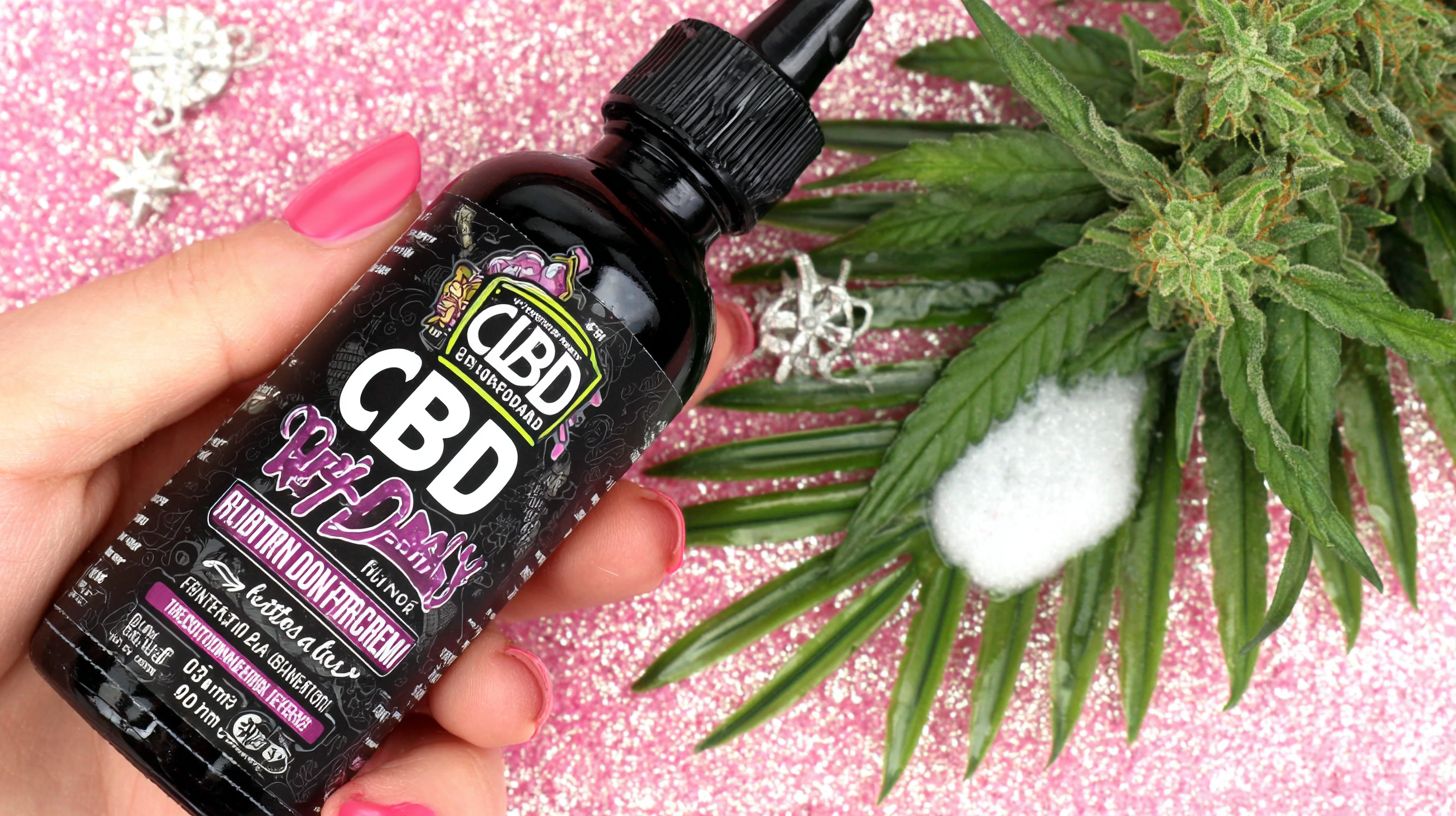
Think about putting some cream on your elbow and asking yourself whether you’ve just done something that could reach your nervous system without actually going through your blood. That’s how topical CBD differs from stuff you swallow. The cream stays put and works with receptors in your skin right where you rubbed it.
Products you take by mouth go through your digestive tract and hit your whole system. Topicals skip that step. Your skin keeps most of it from going anywhere else, so the cannabinoids stay local.
Balms start with wax bases mixed with either CBD isolate or broad-spectrum extracts. Creams take a different route-they blend water and oil phases using emulsifiers so the product spreads easier over bigger spots. Salves lean heaviest on wax, and they form thick layers that stay on the surface for longer.
The FDA treats these as cosmetics when the labels mention moisturizing. Once a product claims it helps with pain, reduces swelling, or treats eczema, it crosses into drug territory. That’s why most companies stick to straight skincare language on the packaging.
2. How Does Topical CBD Work?
Think of your skin as a picky gatekeeper. The outer layer blocks almost everything, but a few compounds slip through and reach the receptors waiting underneath.
CB2 receptors cluster more densely in the middle layers than on the surface. Because of that, CBD balms and creams only need to travel that far to do their job. The molecules attach where the receptors gather, which explains why you feel localized relief right where you rub it in.
CBD works like a key. Once it snaps into place, cells in that area respond. Nothing travels farther than the skin itself.
Oral CBD, by contrast, winds through your gut and floods your bloodstream. Topicals short-circuit that path. You put the salve on a stiff elbow or a patch of irritated skin, and the whole body never gets involved.
3. Benefits of Using Topical CBD
One product line now promises the same relief whether you’re icing a banged-up knee after a trail run or calming a red patch of eczema on your arm. Research backs up the anti-inflammatory angle. Put CBD straight on the skin and the cannabinoids get to work locally instead of traveling through your stomach first, so the effect lands quicker exactly where you need it.
People with post-workout soreness rub CBD balm onto tight shoulders, knees, or the small of the back. At the CB2 receptors in skin tissue, the analgesic action seems to cut off those pain signals before they reach the brain. That stays local. Oral drops or tinctures, by contrast, send the same compounds everywhere.
MCT oil or hemp seed oil carries the CBD deeper into the epidermis, and those same oils double as simple moisturizers. They ease the itch and flake of dry skin because they’re good oils, not because they contain cannabinoids.
Plenty of jars now blend in arnica or menthol too. Both give an instant hot-or-cold tingle that pulls attention away from the ache.
4. Types of Topical CBD Products
The texture you’re holding decides everything. Same dose, three totally different ways it moves across your skin.
| Base Type | Absorption Rate | Spreadability | Best Body Areas |
|---|---|---|---|
| Oil-Based Emulsions | Moderate, needs time to penetrate | Thick, requires rubbing | Dry patches, elbows, knees |
| Water-Based Emulsions | Faster, absorbs within minutes | Light, glides easily | Face, neck, larger surface areas |
| Pure Oils | Slowest, rests on surface before sinking | Runny, spreads thin | Hands, feet, targeted joints |
Oil-based emulsions start out thick because they’re mostly carrier oils plus a little water to hold it together. That thickness works for you on elbows or knees-you rub them in, and the extra moisture stays longer while the CBD slowly sinks through. CBD cream and CBD lotion usually fall here. They’re not flashy, but reliable when skin’s already rough and thirsty.
Water-based versions feel almost nothing like that. The emulsifier keeps the oils in tiny droplets so the whole thing stays runny and light on your fingers. Once the water disappears, you’re left with the active bits parked on the skin in small pockets, which absorb fast without any greasy after-feel. If your skin reacts to heavy balms, this lighter format is nicer on the face or neck where you need coverage but hate residue.
Pure oils skip water entirely. MCT, hemp seed, or whatever carrier they chose sits right on the surface until it slowly sinks in. The longer contact time can be an advantage: a few drops rubbed into knuckles or heels before bed often give the best overnight results. Because they’re pure oil, though, they’re less forgiving on skin that doesn’t like extra grease.
5. Choosing the Right Product
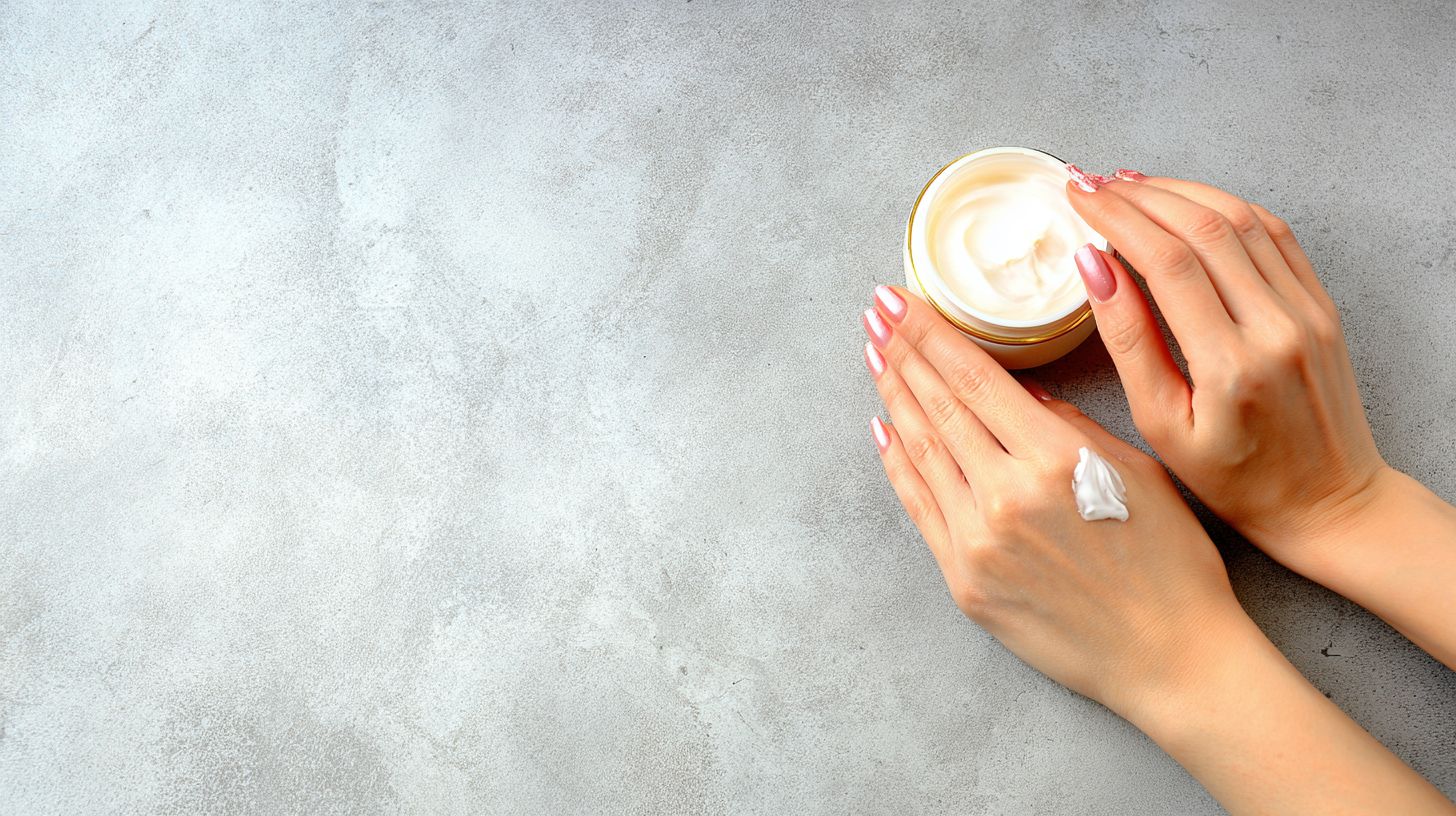
Most people just grab whatever jar looks nice. Until they realize the stuff they bought sits heavy on their face or barely touches sore knees. The first thing to settle is where you’re putting it.
Your face wants something that won’t clog pores, so lighter lotions without heavy oils. Knees, elbows, or post-workout muscles do better with thicker balms, the kind that carry menthol or arnica to kick in faster.
Spectrum gets tricky because rules change state by state. Full-spectrum still holds 0.3% THC, which some places won’t let on the shelf. Broad-spectrum or isolate versions slip past those limits. Plenty of users swear by the full version for the extra plant compounds working together, yet an isolate works fine for others if that’s all they can buy.
Look past the fancy labels. Every batch should have its own Certificate of Analysis, the one that spells out actual CBD content and shows tests for metals, pesticides, and leftover solvents from the CO2 run. Make sure the date lines up with the bottle in your hand and that the company keeps issuing fresh reports.
6. How to Apply Topical CBD
Your fingertip pressure and motion count more than most people realize when spreading a product designed to interact with skin receptors. Start with a patch test on the inside of your forearm, and wait at least thirty minutes to check for any redness or irritation. This step saves headaches later if your skin happens to be sensitive.
Once you’re clear, clean and dry the area where you want relief. Take a pea-sized amount of CBD cream or balm and warm it between your fingers first. That softens thicker textures so they spread without tugging.
Rub in small circles for a full sixty seconds, using steady but gentle pressure. The goal is to work the product into the top layer without scrubbing hard enough to irritate.
Different textures need different approaches. Lighter lotions disappear quickly, so you might need a second pass to cover the whole zone. Thicker salves stay put longer, therefore one solid minute of massage usually does the job. Stop when you feel the skin turn slightly warm from the friction, then let the product sit undisturbed.
7. How Much Should You Use?
Some creams want a pea-sized dab. Others ask for twice that before they do much. It all depends on what’s actually in the jar.
Check the label first. The percentage tells you how much real CBD lives in each gram. Divide total milligrams by total weight. A 2-ounce jar with 500mg inside works out to about 8mg per gram. Most people rub in one to three grams per spot, so you’re looking at 8-24mg per use. Once you know your jar’s ratio, the math stops being a headache.
Balms pack more punch than thin lotions. A thick salve can hit 50mg in a dime-sized glob, while watery cream at the same size might only give you 10mg. Don’t guess-read the numbers on your tube.
No scale handy? A pea is roughly half a gram. A dime-sized swipe is closer to one gram. A quarter-sized patch lands around two. Start small. Wait twenty minutes. Still nothing? Add another layer.
Consider where you’re rubbing it. Knuckles don’t need what your lower back does. Cover the skin, but stop before it looks shiny. Extra product just sits there and won’t sink in any better than the first coat.
8. Where to Apply Topical CBD
Same jar, different results. You rub it on your knuckles after gardening and barely feel it on your lower back unless you know how skin thickness plays into the whole thing. Some spots drink the stuff straight up. Others just sit there.
Thin areas tend to have more receptors packed in, especially wrists and temples. Blood vessels run close to the surface too. That’s why the CBD cream starts working faster on those spots than it does on the thicker skin around your elbows.
Elbows and knees fight back. They have a tougher outer layer, so the cannabinoid receptors are there but harder to reach. You end up using more product and waiting longer before you notice much of anything.
Start with the inside of your forearms. The skin is thin, blood flow is decent, and it takes the product in pretty quick. Do a couple of quick tests with the same amount on different areas. You’ll start to see how your own body handles it.
9. How Long Does It Take to Work?
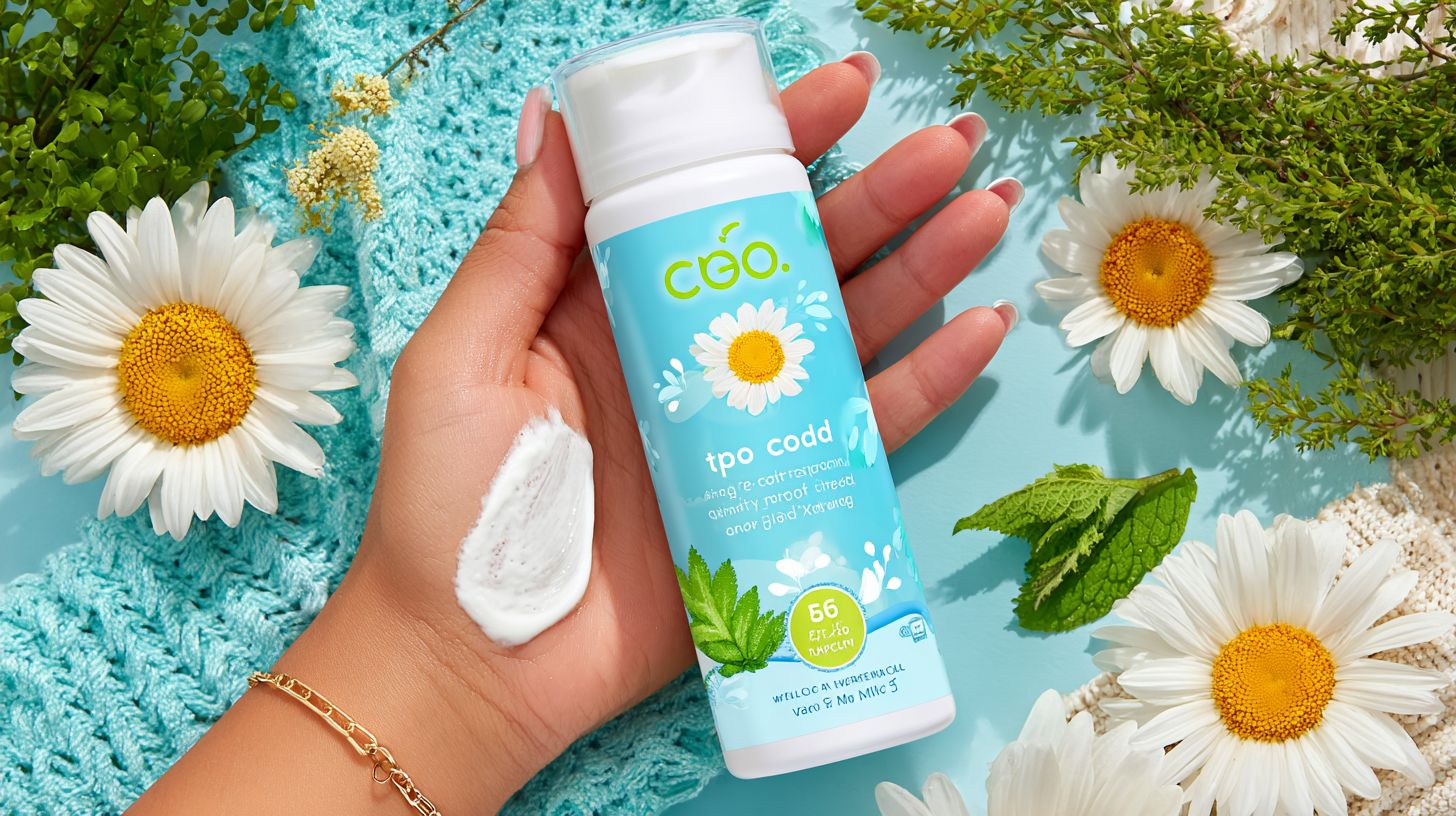
Your skin sets its own schedule for topical CBD. The clock depends on how thick your skin is, what kind of balm or cream you’re using, and the oils or water carrying the hemp extract through those layers.
Oil-based products take their time. The carrier oils sit on top and work their way down slowly, so the relief can show up gradually over minutes rather than seconds.
Water-based creams move faster for some folks. Different delivery methods push the hemp extract into the skin more quickly, but that varies wildly depending on whether your skin runs dry or oily. And yes, skin type actually matters here.
Thicker CBD salve formulas sit around on the surface longest. The lighter lotions spread more easily. Some people swear they feel those quicker. The trick isn’t chasing instant relief every application.
Consistency beats speed. Someone logging hours outside with rougher, thicker skin might wait longer for results than someone with thinner skin. The real test is paying attention to what your skin does after repeated use, not whether it matches what a friend described.
10. How Often Should You Apply It?
Some folks do fine with twice a day. For others, the first coat disappears so fast they need another round before lunch. Your skin moves at its own speed. Trying to force it into a strict schedule usually backfires.
Pay attention to when the product actually vanishes into your skin instead of staring at the clock. Hand washing wipes away what you just put on, so anyone scrubbing their hands every few minutes will need touch-ups sooner than someone glued to a desk.
Sweat works the same way, especially with water-based formulas that lose their grip once you start moving. A heavier balm or salve with thicker carrier oils tends to stick around longer when you’re doing physical work.
Watch your skin instead of following rigid rules. When it starts feeling less supple, that’s your cue. Overdoing it shows up as the moisturizing effect fading away, not some dramatic reaction. If your CBD cream or CBD salve quits making its usual difference, drop back to once daily for a few days. Skin gets saturated, and backing off often brings back the original results without running into tolerance issues.
11. Potential Side Effects
Most people never run into any problems. When they do, the reaction often shows up as ordinary tightness or a faint pink flush that fades within the hour. It rarely lingers.
Timing tells you something. A quick sting can hit minutes after you rub in a new CBD balm, while dryness or flaking usually shows up later the same day. The gap between the two clues you in whether the skin is simply adjusting or whether it objects to something specific.
Ask three questions if something feels off. Is the redness still there after two hours? Does any itch get worse instead of easing? Did you skip the patch test on your inner wrist? Answer yes to any of those and it’s safest to quit and look for another formula.
If the skin looks calm and any mild warmth leaves within thirty minutes, you can usually keep going. Just switch to a thin layer every other day so the skin has time to settle. When you’re still unsure, call a dermatologist.
12. Tips for First-Time Users
New users overthink the first swipe and forget the next two. They obsess over what the CBD cream feels like going on instead of watching what happens once it settles in.
Keep notes on your skin about twenty minutes after you apply it, then again before bed. Texture changes matter more than the quick hit of cooling or warming. Notice how the spot feels when you move it versus when you hold still.
Under good light, look for any redness or dryness that wasn’t there before. Compare both sides of your body if you’re only treating one knee or shoulder so you learn what normal is for you.
By day four or five the biggest clue usually isn’t how the cream feels when you touch it again. It’s how the joint feels when you press on it later. That reaction shows whether the product is actually working or just lying on the surface.
13. Common Mistakes to Avoid
A lot of people trip up on the same three things, no matter what kind of topical they’re buying. The first one hits right at checkout.
Most folks grab whatever has the loudest label and trust the branding instead of hunting for real proof. Third-party testing beats any slogan. Skip the lab reports and you can’t tell whether the milligrams on the front match what’s actually in the jar. Some products run at half strength. Others sneak in trace THC even when they say they’re clear of it.
So build the habit of checking the latest Certificate of Analysis before money changes hands, not after you get the product home.
The next mistake happens as soon as you twist the cap off. How you rub it in determines whether any CBD reaches the receptors that matter. A lot of users wipe the cream until it disappears and call it done, but that quick motion mostly slides product around on the surface.
Skin absorption needs a slower approach. A gentle, circular massage for about a minute helps the oils and CBD concentration sink through the outer layer rather than just sitting on top. You’ll feel a little warmth when it’s working. Take your time on elbows, knees, and any joint that gives you trouble.
Storage catches people last. Heat wrecks both texture and potency. A sunny windowsill or a hot dashboard can split the oils and cut effectiveness after only a few months.
Stash your balm in a cool, dark cabinet. Check the date printed on the container now and then, and give it a quick shake the first time you reach for it after it sits untouched for weeks.
Small tweaks like these keep your usual amount working the way it should.
14. Storing Your CBD Products
Your bathroom cabinet might be the last place you should keep these things, even though it’s the first place most of us reach for.
Humidity is the real problem in there. Every shower releases steam that creeps inside the containers, breaking down both oil-based products and creams, and it does more damage than heat or sunlight ever will.
Light is another story. UV rays make cannabinoids lose potency fast-leave a clear glass bottle of CBD oil or CBD tincture on the counter and it’s already degrading. Keep it in a dark cupboard instead and it stays stronger longer.
Heat hits different depending on the base you’re dealing with. Oil-based products tend to weather temperature swings without much trouble, but CBD cream and CBD balm can separate or turn grainy when the temperature stays high.
Where to actually put them? A cool, dark closet beats a kitchen cabinet most days. A bedroom drawer is better than the bathroom. If your climate runs hot, slide your CBD salve into the fridge for the long haul, though it’ll firm up once it’s chilled.
And don’t forget the air. Every time you crack the lid, oxygen starts breaking down the active compounds right away. A tight seal slows this down, but the more often you open it, the faster things fall apart-even with the light and heat taken out of the picture.
15. When to Consult a Doctor
You might be tempted to keep experimenting with different creams and lotions, but some reactions are loud enough that you shouldn’t ignore them.
redness, welts, or itching that shows up within hours of your first application? That’s your cue. Stop everything. Those aren’t mild side effects-they’re your immune system waving a red flag about an allergic reaction. See a doctor.
Then there’s the slower stuff that creeps in after a few days. Maybe it’s dryness that won’t quit or tiny bumps that weren’t there before. Often the culprit is something simpler than the CBD itself. Carrier oils like MCT or hemp seed oil can cause their own problems, and a dermatologist can pinpoint which ingredient is to blame.
And if you already live with eczema, psoriasis, or arthritis, don’t just wing it. Prescription treatments for those conditions can clash with over-the-counter CBD products. One quick conversation with your doctor can save you weeks of trial and error, and might get you pointed toward a cream that’s actually formulated for sensitive skin like yours.
What Should Beginners Know Before Buying?
Walk into any shop or open any online cart and you’ll find dozens of topical CBD options staring back at you. Two quick checks before handing over any money can save you from most of the usual regrets.
Start by asking whether someone has actually tested what’s in the container. A label claiming 500mg means nothing if the batch never reached a lab. Regulations don’t require consistent testing across brands, which leaves buyers responsible for doing this legwork themselves.
Next comes the spectrum question. Some people prefer just the isolated compound while others want the full plant mix. Your choice comes down to personal preference and legal comfort level, since current research doesn’t settle which works better for skin applications.
Both checks take just a few minutes. Skip them and you might end up with something that doesn’t match what you expected.
Is the product third-party tested?
Third-party testing works like an independent referee confirming the label matches what’s actually inside. Labs scan for heavy metals, pesticides, residual solvents, and microbial growth that can sneak into plant material during growing or processing. Each contaminant brings its own set of problems, from skin irritation to longer-term health concerns.
Finding the actual results takes patience. Look for a QR code or batch number on the packaging. Scan or enter it on the company’s website to pull up the Certificate of Analysis. A clean report shows your chosen CBD concentration in the tested range, with everything else listed as below detection limits.
Testing happens at different frequencies depending on the manufacturer. Some companies test every batch while others sample randomly. Ask customer service about their schedule if the most recent report feels dated. Regular testing signals a company that treats product consistency seriously rather than just claiming it.
Don’t hesitate to contact support if the certificate proves difficult to locate. A reputable seller should send you the data within a day or two. If they dodge the request or claim proprietary reasons, consider that a red flag and move on.
Does it contain full-spectrum or isolate CBD?
The spectrum type determines whether you’re getting just CBD or a combination of hemp compounds. Isolate products contain only the purified CBD molecule with everything else stripped away. Full-spectrum options keep the original mix of cannabinoids, terpenes, and other plant compounds found in hemp.
That difference matters for legal reasons. Full-spectrum products can contain up to 0.3 percent THC under federal rules, while isolates stay completely free of it. For most people this small amount stays below detectable limits in drug tests, but anyone subject to regular screening should stick with isolate or broad-spectrum options that remove the THC.
Research hasn’t established that any particular spectrum works noticeably better when applied to skin. The compounds do interact with local cannabinoid receptors in different ways, but practical differences in how quickly relief sets in or how long it lasts remain unclear. Your choice hinges more on personal preference and individual sensitivity than proven superiority.
Check the ingredient list for the actual spectrum designation. Companies sometimes use marketing language that obscures whether you’re getting isolate, broad-spectrum, or full-spectrum. When in doubt, contact the manufacturer directly rather than guessing from vague descriptions.